
If you ask me what the best marketing tools for real estate agents are, I would say this: the right mix of CRM software, email marketing, social media scheduling, paid advertising platforms, listing optimization tools, and analytics dashboards. No single tool will grow your business alone. The real power comes from combining tools that help you attract leads, nurture them, and convert them into closed deals.
Real estate is competitive. According to industry data, millions of homes are sold every year in the U.S., and there are over 1.5 million licensed agents. That means standing out is not optional. It is necessary. In this article, I’ll break down the most effective marketing tools real estate agents can use, how they work, and why they matter.
Why Marketing Tools Matter for Real Estate Agents
Most buyers start their home search online. Studies show that more than 90% of home buyers use the internet during their search process. If your brand is not visible online, you are missing opportunities.
I have seen agents rely only on referrals. Referrals are powerful, but they are unpredictable. Marketing tools give you control. They help you build a steady pipeline of leads instead of waiting for the next phone call.
Now let’s look at the best categories of tools and how they help agents grow.
CRM Software: The Foundation of Real Estate Marketing
A CRM (Customer Relationship Management) system is the backbone of any serious real estate business.
Some popular CRM tools for agents include:
HubSpot CRM
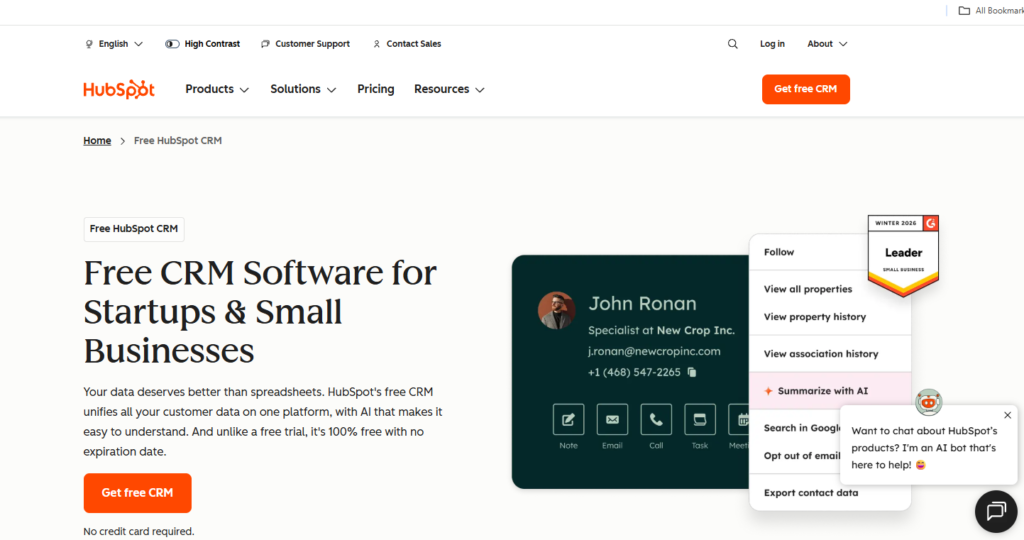
HubSpot CRM is known for its simple setup and clean dashboard. It allows agents to track deals, manage contacts, and automate email follow-ups. Email tracking and task reminders help ensure consistent communication with leads. It also supports team collaboration, making it suitable for agents who plan to grow or build a team.
Follow Up Boss
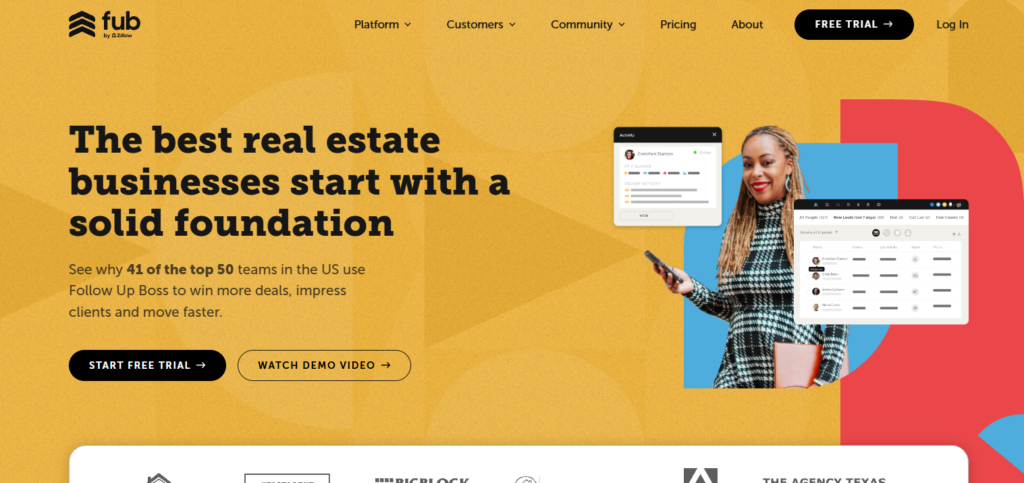
Follow Up Boss is designed specifically for real estate professionals. It integrates with major real estate lead sources and automatically captures inquiries. The system focuses on fast lead response with instant alerts and automated text replies. It also offers structured follow-up plans to help agents convert more leads into clients.
LionDesk
LionDesk is a cost-effective CRM option popular among solo agents. It combines email, text messaging, and video messaging in one platform. Agents can create automated drip campaigns and segment contacts easily. Its video messaging feature helps add a personal touch when connecting with new leads.
A good CRM helps you:
- Track leads from multiple sources
- Set reminders for follow-ups
- Automate emails and text messages
- Segment buyers and sellers
For example, if someone downloads your home buying guide, your CRM can automatically send a follow-up email series. Instead of manually remembering to check in, the system does it for you.
In my experience, agents who consistently follow up close more deals. A CRM makes consistent follow-up possible.
Email Marketing Tools: Nurture Leads Automatically
Email is still one of the highest ROI marketing channels. Studies show that email marketing can return $36 or more for every $1 spent.
Some widely used email marketing tools include:
Mailchimp
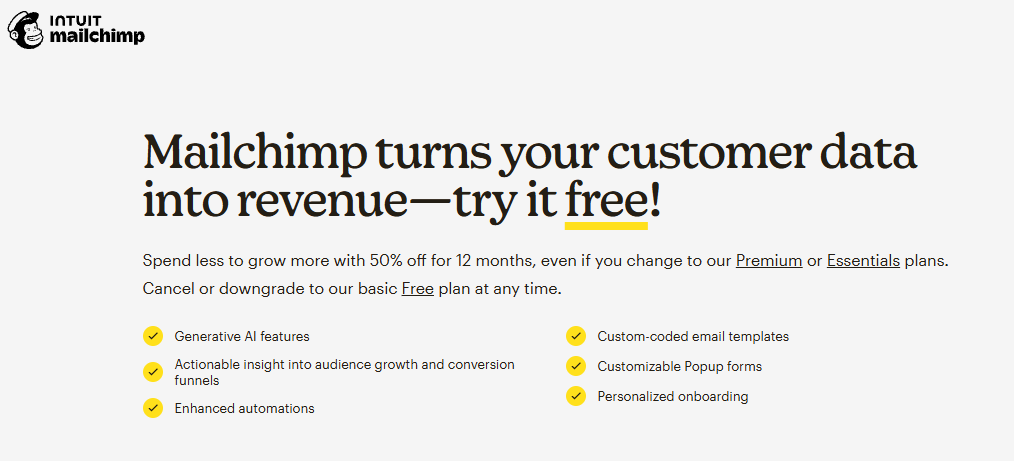
Mailchimp is a beginner-friendly email marketing platform that many real estate agents use. It offers drag-and-drop email templates, audience segmentation, and basic automation. You can create welcome sequences, send listing updates, and track open and click rates easily. It is a good option for agents who want simple email marketing without a steep learning curve.
Constant Contact
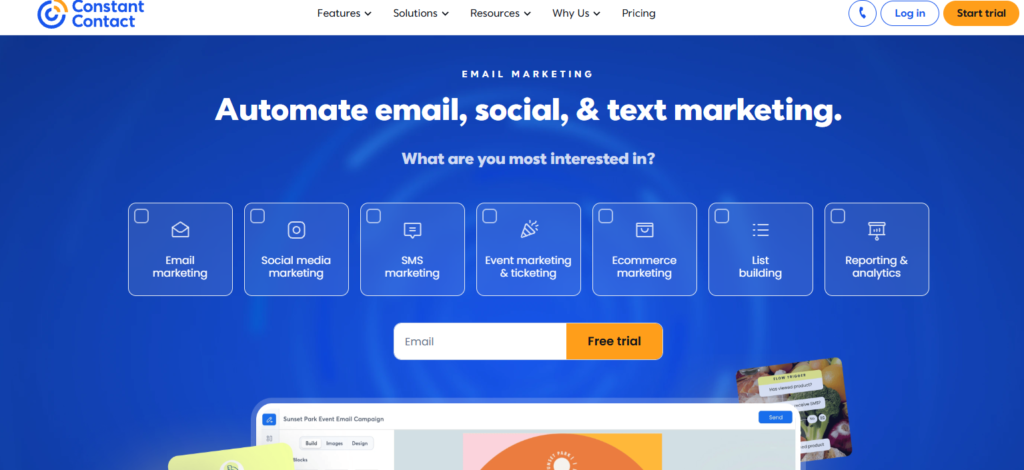
Constant Contact is known for reliability and strong customer support. It provides professional email templates suitable for newsletters, open house promotions, and market updates. The platform also includes contact management and performance tracking. It works well for agents who prefer a straightforward and stable system.
ActiveCampaign
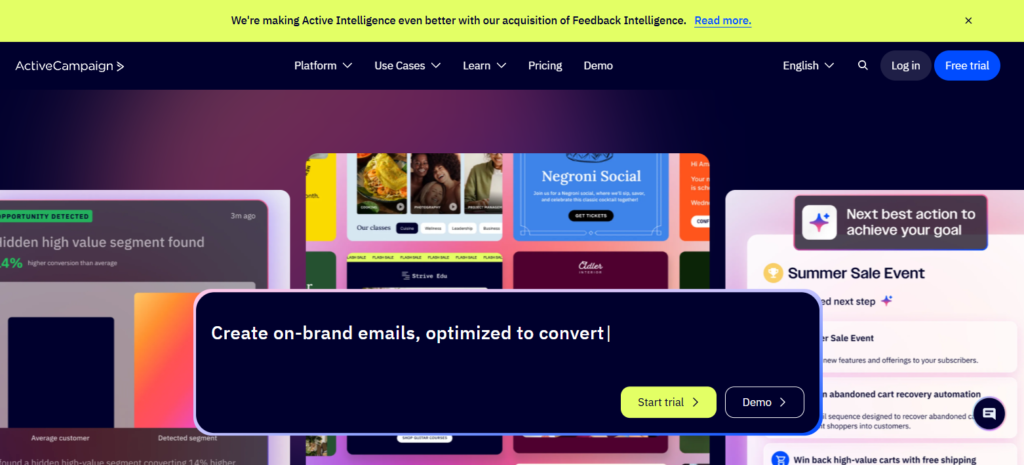
ActiveCampaign focuses more on advanced automation and lead nurturing. It allows you to build detailed email workflows based on user behavior, such as clicks or website visits. You can segment contacts deeply and create personalized follow-up campaigns. It is ideal for agents who want more control over automation and long-term lead conversion.
With these tools, you can:
- Send monthly market updates
- Share new listings
- Educate first-time buyers
- Re-engage old leads
I always recommend creating different email lists. For example, buyers under $400,000, luxury buyers, sellers, and investors. When your message is targeted, open rates and response rates improve.
Social Media Scheduling Tools: Stay Consistent Without Stress
Social media is not just about posting listings. It is about building trust and staying visible.
Tools like:
Buffer
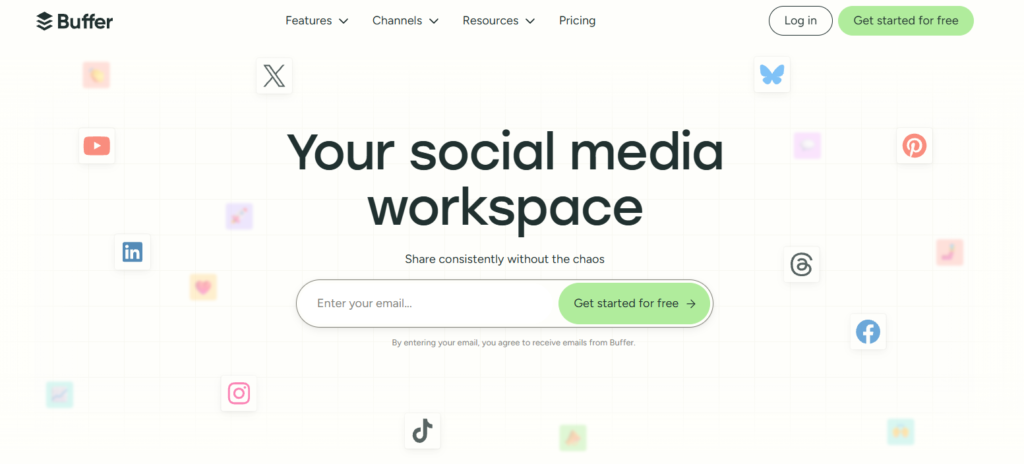
Buffer is a simple and clean social media scheduling tool. It allows real estate agents to plan and publish posts across platforms like Facebook, Instagram, LinkedIn, and X from one dashboard. You can schedule listing posts, market updates, and educational content in advance.
One of Buffer’s strengths is its ease of use. The interface is not complicated, so you can quickly create a weekly posting schedule. It also provides basic analytics, helping you see which posts get the most engagement. For solo agents who want consistency without spending hours online every day, Buffer works well.
Hootsuite
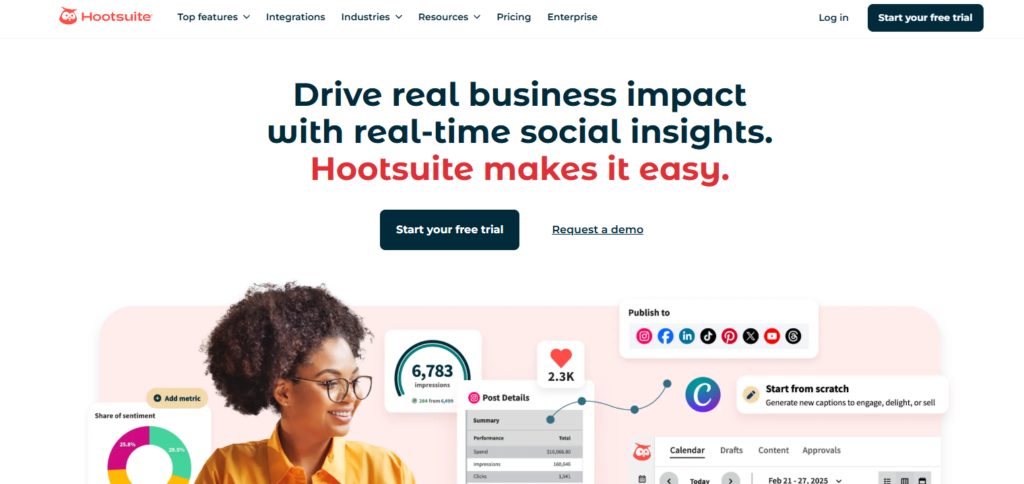
Hootsuite is a more advanced social media management platform. It allows you to manage multiple accounts, schedule content, monitor comments, and track performance from a single dashboard.
For real estate teams, Hootsuite can be especially useful because it supports collaboration. Team members can assign messages, respond to inquiries, and monitor brand mentions. It also offers deeper analytics compared to simpler tools. If you handle multiple social channels and want more detailed reporting, Hootsuite is a strong option.
Later

Later is popular for visual content planning, especially for Instagram. It provides a visual content calendar where you can drag and drop posts to plan your feed layout. This is helpful for real estate agents who rely heavily on property photos and branding consistency.
Later also supports scheduling for other platforms and includes basic analytics. If your strategy focuses on high-quality listing photos, reels, and visual storytelling, Later makes it easier to maintain an organized and attractive social presence.
help you plan and schedule posts in advance.
Instead of scrambling every day for content, you can schedule:
- Listing photos
- Behind-the-scenes videos
- Client testimonials
- Local market insights
When I work with agents, I suggest posting at least three to five times per week. Consistency builds recognition. Recognition builds trust. Trust leads to transactions.
Real Estate Listing & Design Tools: Make Your Properties Stand Out
Presentation matters. Buyers often decide within seconds whether they are interested in a property.
Design tools like:
Canva
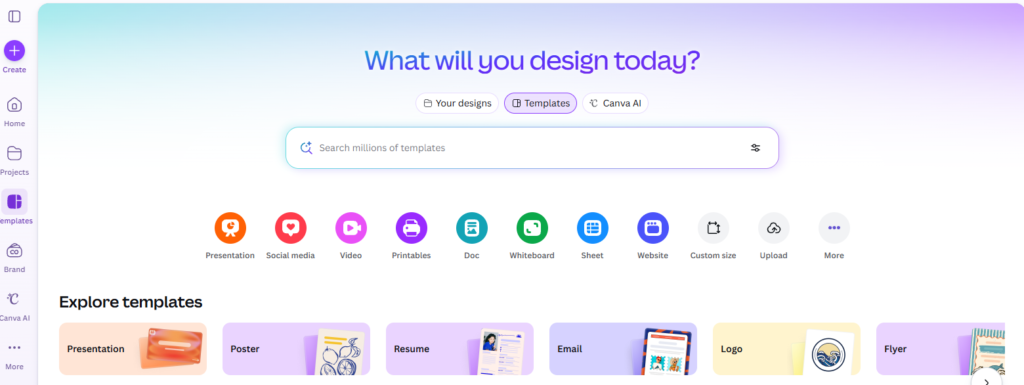
Canva is one of the most popular design tools for real estate agents because it is easy to use and does not require graphic design experience. It offers ready-made templates for property flyers, social media posts, open house invitations, business cards, and listing presentations.
The drag-and-drop editor makes it simple to customize colors, fonts, and images to match your brand. You can upload your own property photos and quickly create professional-looking graphics. Canva also provides brand kits, which allow you to save your logo, colors, and fonts for consistent marketing materials.
For agents who want fast, clean, and affordable design solutions, Canva is a practical and reliable option.
Adobe Express
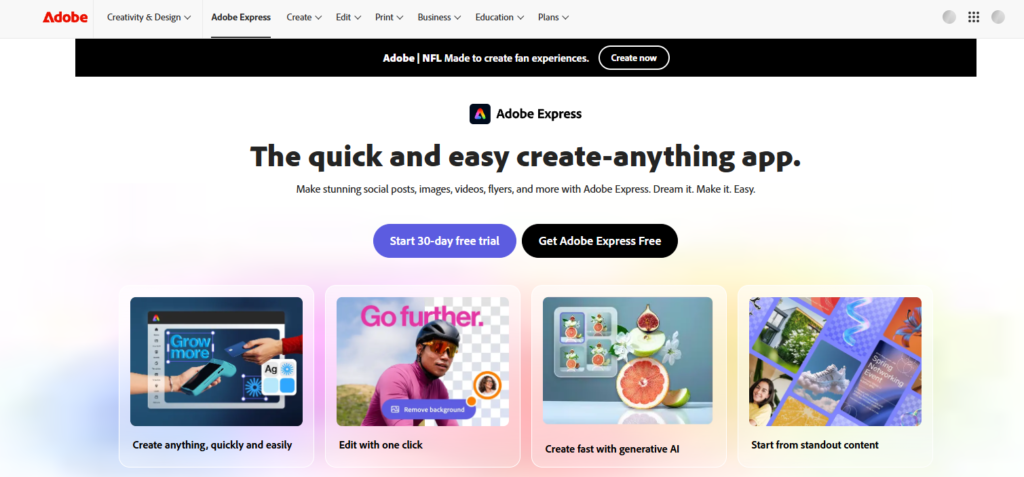
Adobe Express is a design tool that combines simplicity with more advanced creative control. It offers templates similar to Canva but includes stronger editing features powered by Adobe technology.
Real estate agents can use Adobe Express to create listing ads, social media graphics, short promotional videos, and branded marketing materials. It also supports quick background removal and image enhancements, which can be helpful when working with property photos.
If you want slightly more design flexibility while still keeping the process simple, Adobe Express is a solid choice.
help you create:
- Property flyers
- Social media graphics
- Open house invitations
- Branded marketing materials
For virtual tours and listing exposure, platforms such as:
Matterport
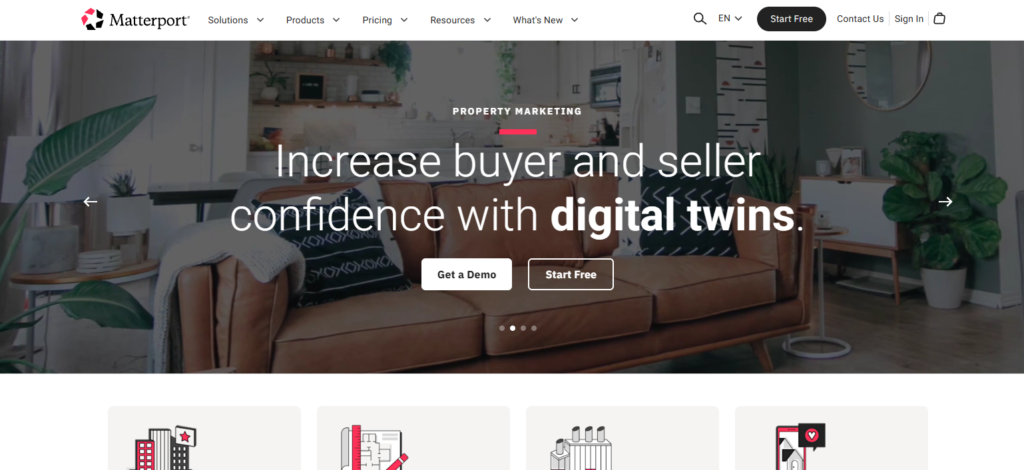
Matterport is a 3D virtual tour platform that allows real estate agents to create immersive, interactive property tours. Instead of just showing photos, you can give buyers a realistic walkthrough experience where they can explore rooms, zoom in on details, and move through the space online.
This tool is especially useful for out-of-state or busy buyers who cannot visit the property in person. A 3D tour can increase engagement and help serious buyers make faster decisions. Listings with virtual tours often receive more views compared to listings with only static images.
Matterport also provides floor plans and measurement features, which add extra value for buyers who want detailed information. For agents who want their listings to stand out and look more professional, Matterport can be a strong marketing advantage.
allow buyers to explore homes remotely. This is especially helpful for out-of-state buyers.
I have seen listings with professional photos and 3D tours get significantly more engagement than listings with basic phone photos. Investing in visual tools can directly impact how fast a home sells.
Website Builders and IDX Tools: Own Your Online Presence
Your website is your digital office. Social media platforms can change their algorithms at any time, but your website is fully under your control.
Website platforms such as:
WordPress
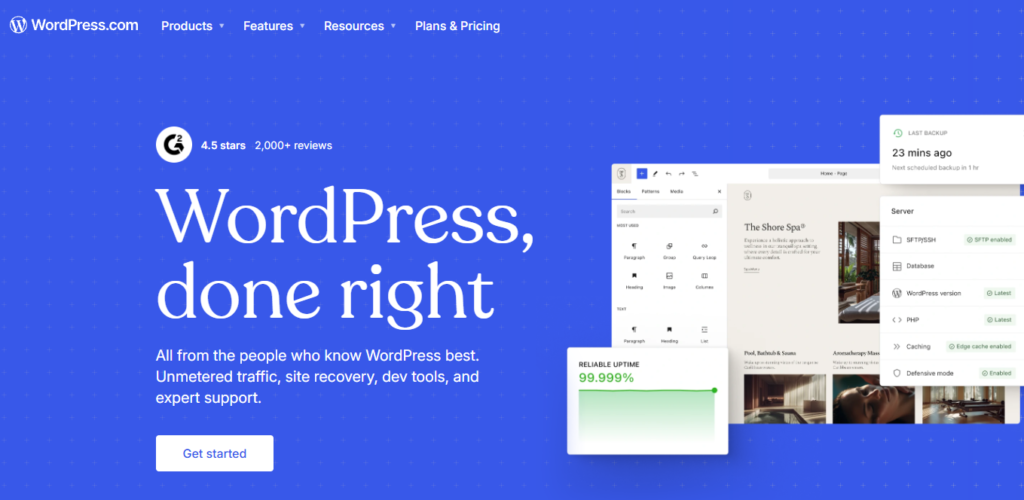
WordPress is one of the most widely used website platforms in the world. It gives real estate agents full control over design, content, and SEO. You can add IDX integrations, create neighborhood guides, publish blog posts, and optimize pages for local search results.
It is highly flexible, but it may require basic technical knowledge or help from a developer. If you want long-term scalability and strong SEO control, WordPress is a powerful choice.
Wix
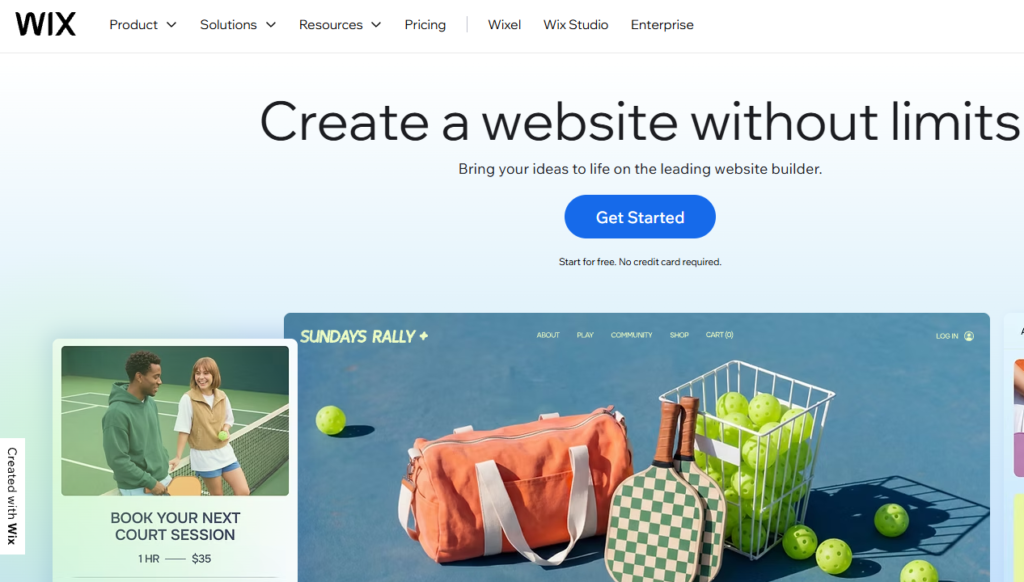
Wix is a beginner-friendly website builder that allows agents to create a professional site using drag-and-drop tools. No coding is required. It offers ready-made templates that work well for showcasing listings, testimonials, and contact forms.
Wix is ideal for agents who want a quick setup and simple management. While it may not offer as much flexibility as WordPress, it is easy to maintain and suitable for small to mid-level real estate businesses.
allow you to create a professional site.
Adding an IDX (Internet Data Exchange) integration lets visitors search live MLS listings directly on your site. This keeps traffic on your domain instead of sending it to third-party portals.
A strong website should include:
- Local area guides
- Market reports
- Testimonials
- Lead capture forms
When I review agent websites, I often see beautiful designs but no clear call-to-action. Make it easy for visitors to contact you.
Analytics and Tracking Tools: Measure What Works
Marketing without tracking is guessing.
Tools like:
Google Analytics
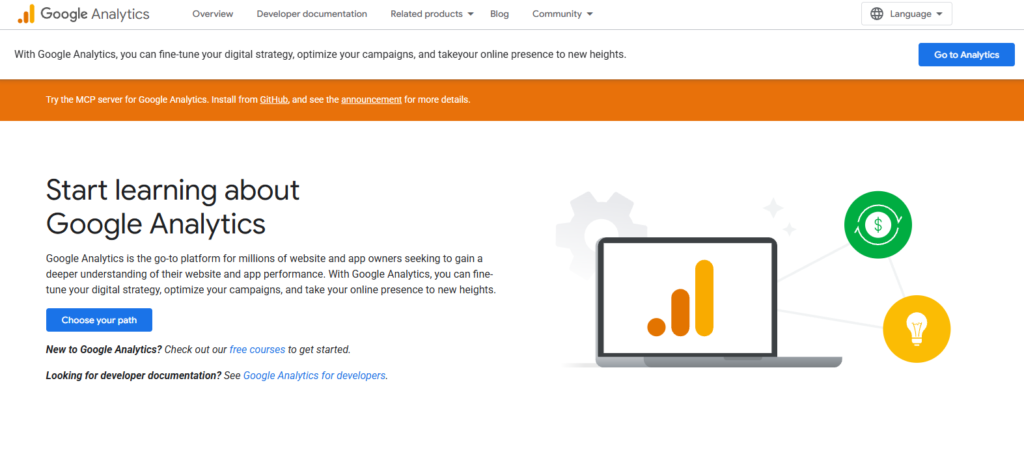
Google Analytics is a free tool that tracks website performance. It shows where your visitors come from, which pages they view, and how long they stay.
Real estate agents can use it to measure traffic from social media, ads, or search engines and track lead form submissions. It helps you make decisions based on real data instead of guesswork.
help you understand:
- Where your traffic comes from
- Which pages people visit
- How long they stay
If you run ads, tracking conversion rates helps you see which campaigns bring real leads.
For example, if one ad campaign generates leads at $10 per lead and another at $40 per lead, the data tells you where to invest more budget.
I always recommend reviewing your numbers at least once a month. Small adjustments can lead to big improvements over time.
Video Marketing Tools: Build Authority Faster
Video builds trust faster than text alone. Buyers want to see and hear the person they might work with.
You can use simple tools like:
CapCut

CapCut is a beginner-friendly video editing app that works well for creating short real estate videos. Agents can edit property walkthroughs, add text overlays, include background music, and create social media reels quickly. It is simple to use and ideal for Instagram, Facebook, and short-form content.
iMovie
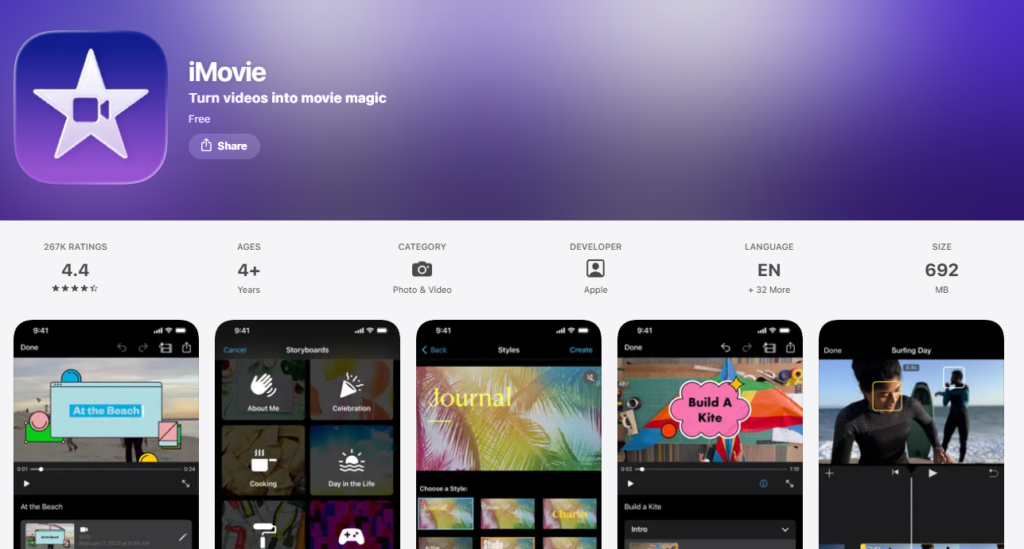
iMovie is a basic video editing software available for Apple users. It allows agents to trim clips, add transitions, include titles, and create clean property tour videos. It is suitable for simple, professional-looking edits without needing advanced video skills.
to create:
- Property walkthroughs
- Market updates
- Neighborhood tours
- FAQ videos
Short-form videos on platforms like Instagram and YouTube can position you as the local expert. I have seen agents grow from zero online presence to thousands of followers in under a year by consistently posting helpful video content.
How to Choose the Right Marketing Tools
Not every agent needs every tool.
Here is a simple way to decide:
- If you struggle with follow-up → start with a CRM
- If you lack visibility → focus on social media and paid ads
- If your listings do not stand out → invest in design and virtual tours
- If you do not know what is working → install analytics
Start small. Master one system at a time. Marketing works best when it is consistent, not complicated.
Conclusion
The best marketing tools for real estate agents are the ones that help you attract, nurture, and convert leads consistently. A strong CRM, email marketing platform, social scheduling tool, paid ads, a professional website, and analytics tracking form a powerful system when used together.
I believe the biggest mistake agents make is jumping from one tool to another without a clear strategy. Pick your tools carefully, use them consistently, and focus on building relationships. That is what closes deals.
If you found this article informative, feel free to check out our other articles as well.
FAQs
What is the most important marketing tool for real estate agents?
A CRM is often the most important tool because it helps manage leads, automate follow-ups, and track client communication. Without proper follow-up, even high-quality leads can go cold.
Are paid ads worth it for real estate agents?
Yes, paid ads can be very effective when targeted properly. Platforms like Facebook and Google allow agents to reach specific audiences and generate leads quickly.
How can real estate agents generate leads online?
Agents can generate leads through SEO-optimized websites, social media marketing, email campaigns, paid advertising, and offering valuable content like home buying guides.
Do real estate agents need a website?
Yes. A professional website builds credibility, allows IDX listing integration, and helps capture leads directly without relying only on third-party platforms.
How often should real estate agents post on social media?
Posting three to five times per week is a good starting point. Consistency is more important than frequency, and content should provide value, not just promotions.
Leave a Reply