Author: Kandunu

  • How Much Time After Selling a House Do You Have to Buy a House to Avoid the Tax Penalty?

    How Much Time After Selling a House Do You Have to Buy a House to Avoid the Tax Penalty?

    A lot of homeowners still believe they need to buy another house quickly after selling their current one to avoid taxes. That idea comes from older tax laws, but for most people selling a primary residence today, it usually does not work that way.

    In most cases, you do not have to buy another home within a specific time after selling your house to avoid a tax penalty. What matters more is whether you qualify for the IRS home sale tax exclusion.

    If you meet the rules, you may exclude up to:

    • $250,000 in profit if you file as single
    • $500,000 in profit if you are married filing jointly

    So if you’re wondering how long you have to buy another house after selling, the short answer is simple: for most homeowners, there is no countdown clock.

    Your tax situation usually depends on how long you owned the home, how long you lived in it, and how much profit you made.

    Let’s break it down in plain English.

    Why You Might Owe Taxes After Selling a House

    When you sell a home for more than what it cost you, the profit may be considered a capital gain.

    That doesn’t mean the amount you paid years ago is the only number that matters. Your cost basis can increase if you made qualifying improvements.

    For example:

    • You bought the house for $260,000
    • You spent $35,000 on a new roof and kitchen updates
    • Your adjusted basis becomes $295,000
    • You sell the home for $430,000

    That may create a gain before closing costs and exclusions are considered. This is where many people worry about taxes—but many homeowners end up paying nothing because of the home sale exclusion.

    The Tax Break Many Homeowners Qualify For

    The IRS allows eligible homeowners to exclude a portion of the profit from taxes.

    That means:

    • A single filer may exclude up to $250,000
    • A married couple filing jointly may exclude up to $500,000

    So if a married couple sells their home and makes a $180,000 profit, they may owe no federal capital gains tax at all if they qualify. This is why rushing to buy another home usually isn’t necessary.

    The Two Main Rules You Need to Meet

    To use the exclusion, most sellers need to meet two key requirements.

    You Must Have Owned the Home

    You generally need to have owned the property for at least two years during the five years before the sale.

    You Must Have Lived There

    You also generally need to have used the home as your main residence for at least two years during that same five-year period.

    Those two years do not always need to be back-to-back.

    For example, if you lived there for one year, moved temporarily, then returned for another year, you may still qualify depending on the timeline.

    One More Thing to Know

    In most situations, you cannot claim this exclusion again if you already used it on another home sale within the last two years.

    What If You Need to Sell Sooner?

    Real life does not always follow perfect timelines. Sometimes people need to sell before reaching the two-year mark because of:

    • A new job in another city
    • Health issues
    • Divorce or separation
    • Family changes
    • Other unexpected events

    In some of these situations, you may still qualify for a partial exclusion. For example, if you bought a house and had to relocate for work after one year, you may still receive part of the tax benefit. That’s why it’s worth checking the rules before assuming you’ll owe tax.

    Special Situations Can Change the Rules

    Some sellers fall into categories where different tax treatment may apply.

    Military and Certain Government Employees

    Qualified military members and some federal employees may receive special timing relief if they are stationed away from their home for long periods.

    Inherited Homes

    If you inherit a property, the tax rules are different. Many inherited homes receive a stepped-up basis, meaning the home’s value is adjusted to the market value at the time of inheritance.

    That can reduce taxable gains significantly if the home is sold later.

    Divorce Cases

    Divorce can affect ownership dates, filing status, and how profit is divided. If a house sale is tied to a divorce settlement, professional advice is smart.

    When Buying Another Property Quickly Does Matter

    This is where confusion often happens. If you are selling an investment property or rental home, different tax rules may apply. Some investors use a 1031 exchange, which allows them to defer taxes by buying another qualifying investment property within strict deadlines.

    Common timelines include:

    • 45 days to identify replacement property
    • 180 days to complete the purchase

    But this usually applies to investment real estate—not your personal primary home. So if someone says you must buy another house quickly after selling, they may be talking about rental property rules.

    Know Your Numbers Before You Sell

    Before listing your house, it helps to run the math.

    Look at:

    • Original purchase price
    • Major improvements you made
    • Estimated selling price
    • Closing costs
    • Time lived in the home
    • Potential exclusion eligibility

    Many people focus only on the sale price, but profit is what matters. A $600,000 sale price does not automatically mean a huge tax bill.

    How Your Tax Rate Is Decided

    If part of your gain is taxable, the amount you owe may depend on:

    • Your total income
    • Filing status
    • How long you owned the property
    • Federal capital gains rates
    • State taxes, if applicable

    Two people can make the same profit and owe very different amounts depending on income and location. That’s why general advice online only goes so far.

    Why a Tax Professional Is Worth Considering

    Selling a house is one of the largest financial transactions many people ever make.

    A tax professional can help you:

    • Calculate your gain accurately
    • Include eligible improvements
    • Check if you qualify for exclusions
    • Estimate taxes before selling
    • Plan timing strategically

    I’ve seen homeowners assume they would owe thousands in taxes, only to learn they qualified for the exclusion and owed nothing.

    Not Ready to Buy Another Home Yet? That’s Usually Fine

    Some sellers choose to rent for a while after selling. Others move in with family, relocate for work, or wait for interest rates to improve.

    That is usually okay. For most primary residence sales, you do not need to buy another house immediately to protect your tax position. You can take time to make your next decision carefully instead of rushing into another purchase.

    Thinking About Your Next Move?

    Before selling, consider these steps:

    1. Gather records for upgrades and repairs
    2. Estimate your possible gain
    3. Check whether the home qualifies as your main residence
    4. Speak with a tax advisor
    5. Decide when to buy next based on your goals—not tax myths

    Sometimes waiting is the smarter move.

    Conclusion

    So, how much time after selling a house do you have to buy another one to avoid the tax penalty?

    For most homeowners selling a primary residence, there is no required time limit to buy another house. The key issue is whether you qualify for the IRS capital gains exclusion based on ownership, occupancy, and profit.

    That means you may be able to sell now, rent for a while, and buy later without any penalty tied to timing.

    Because every situation is different, especially with large gains or special circumstances, getting tax advice before selling can save money and stress.

    If you found this article informative, feel free to check out our other articles as well.

    FAQs

    Do I need to buy another house within 6 months after selling?

    Usually no. Most homeowners selling a primary residence do not need to buy another house within six months to avoid taxes.

    Can I rent after selling my home?

    Yes. Renting after selling does not automatically create a tax penalty if you already qualified for the home sale exclusion.

    What if my profit is more than $250,000 or $500,000?

    Any amount above the applicable exclusion may be taxable depending on your full financial situation.

    Is there a penalty if I wait years before buying again?

    For most primary residence sellers, no. Waiting to buy another home does not itself create tax on the previous sale.

    Do rental properties follow the same rules?

    No. Rental and investment properties often follow different tax rules, including possible 1031 exchange rules.


  • How Long Does It Take to Buy a House?

    How Long Does It Take to Buy a House?

    Buying a house is exciting, but it usually doesn’t happen overnight. For most people, the process takes around 4 to 6 months, though it can be shorter or longer depending on your finances, your local market, and how quickly you find the right home.

    Some buyers close in 30 days, especially if they pay cash or buy in a slower market. Others may spend many months searching, negotiating, or waiting on financing. That’s completely normal.

    Many people think the timeline starts when they begin touring homes, but in reality, it often starts much earlier. Saving money, improving credit, researching neighborhoods, and getting pre-approved can make a huge difference.

    So if you’re wondering how long it takes to buy a house, the honest answer is: it depends—but planning ahead can save you a lot of time.

    Let’s walk through the process step by step.

    Get Your Money Ready First

    A successful home purchase often begins 6 months or more before house hunting. This is the stage where buyers prepare financially. Lenders look at your credit score, debts, income, and savings. If your credit needs work or you need to pay down balances, that can take time. Things to focus on during this stage:

    • Save for a down payment
    • Set aside money for closing costs
    • Improve your credit score
    • Pay down high-interest debt
    • Avoid opening new credit cards or loans
    • Build a realistic monthly housing budget

    For example, if you plan to buy a $300,000 home, you may need several thousand dollars for upfront costs depending on your loan type. The stronger your finances are now, the easier the next steps usually become.

    Learn About the Market Before You Buy

    Around 4 to 5 months before purchasing, begin studying the areas where you want to live. This helps you understand pricing, competition, and what kind of home fits your budget.

    Use this time to:

    • Compare recent sale prices
    • Watch how fast homes are selling
    • Research schools, taxes, and commute times
    • Decide on property type
    • Talk with a local real estate agent

    Some neighborhoods move quickly with multiple offers, while others give buyers more room to negotiate. Knowing the market early helps you make smarter decisions later.

    Get Pre-Approved Before Serious Shopping

    About 2 to 3 months before buying, it’s a smart move to get pre-approved for a mortgage. A pre-approval letter tells sellers a lender has reviewed your finances and believes you qualify for a loan up to a certain amount. This usually takes 1 to 7 days, depending on the lender and how fast you submit documents.

    You’ll commonly need:

    • Pay stubs
    • Tax returns
    • Bank statements
    • Employment details
    • Identification
    • Debt information

    Pre-approval also helps you avoid wasting time looking at homes outside your budget.

    Finding the Right Home Often Takes the Longest

    For many buyers, this is the most unpredictable part of the journey. Some people find the right place in two weeks. Others search for 4 to 5 months or longer.

    Why it can take time:

    • Low inventory
    • Competitive bidding
    • Changing preferences
    • Budget limitations
    • Waiting for the right location

    When touring homes, focus on needs first and wants second.

    Needs: budget, size, location
    Wants: updated kitchen, pool, large backyard

    Trying to find a “perfect” house often adds months to the process.

    Making an Offer Happens Quickly

    Once you find a home you love, making an offer usually takes 1 to 5 days. Your agent can help you decide on price and terms based on the market and recent comparable sales.

    Your offer may include:

    • Purchase price
    • Earnest money deposit
    • Closing timeline
    • Inspection contingency
    • Financing terms
    • Repair requests

    In a fast market, buyers sometimes submit offers the same day they tour the home.

    Schedule the Home Inspection Soon After

    Once your offer is accepted, the home usually goes under contract. At that point, schedule the inspection within 7 to 10 days. A professional inspector checks major parts of the property, such as:

    • Roof
    • Electrical system
    • Plumbing
    • HVAC
    • Foundation
    • Appliances

    The inspection may take a few hours, and the report often arrives within a day or two. This step can reveal costly issues before closing.

    Final Mortgage Approval Usually Takes 30 to 45 Days

    After the contract is signed, your lender works on final approval. This process often takes 30 to 45 days and includes:

    • Full underwriting review
    • Appraisal
    • Title work
    • Verification of employment
    • Final bank statement review
    • Loan conditions clearance

    This is where buyers should stay responsive. Delays often happen when requested documents are submitted late.

    Work Out Final Details With the Seller

    Even after an offer is accepted, there may still be a few loose ends. This phase can take up to one week, especially if:

    • Inspection problems appear
    • The appraisal comes in low
    • Repairs need discussion
    • Closing dates need adjusting

    Sometimes small negotiations make the difference between a canceled deal and a successful closing.

    Prepare for the Move Early

    About 3 to 4 weeks before closing, start planning your move. This helps reduce stress later.

    Use this time to:

    • Book movers
    • Transfer utilities
    • Buy packing supplies
    • Change your address
    • Arrange storage if needed
    • Schedule time off work

    Many buyers wait too long and end up scrambling during closing week.

    Closing Week: You Get the Keys

    Closing week is the final step.

    You’ll usually:

    • Review final loan paperwork
    • Complete a final walkthrough
    • Sign documents
    • Pay closing costs
    • Transfer funds
    • Receive your keys once everything records

    The signing itself often takes 1 to 2 hours. After that, the home is officially yours.

    How to Keep the Process Moving

    Buying a house can feel slow, but a few smart habits help a lot.

    Respond Quickly

    Answer calls, emails, and document requests fast.

    Avoid New Debt

    Don’t finance a car or make large purchases before closing.

    Stay Organized

    Keep tax returns, statements, and IDs ready.

    Be Flexible

    Being too rigid on minor details can slow things down.

    Choose Good Professionals

    A responsive lender and experienced agent can save weeks.

    Conclusion

    So, how long does it take to buy a house? For most buyers, expect 4 to 6 months from planning to closing, though every situation is different. The search itself may be quick, but preparation, financing, inspections, and paperwork all add time. The good news is that buyers who plan early usually move through the process with fewer surprises. Buying a home is a major milestone, and while it may test your patience, it can absolutely be worth the wait.

    If you found this article informative, feel free to check out our other articles as well.

    FAQs

    What can delay the homebuying process?

    Common delays include financing issues, missing documents, low appraisals, title problems, inspection disputes, or a seller needing more time to move out.

    Can you speed up the mortgage approval process?

    Yes. Submit documents quickly, avoid new debt, keep your finances stable, and choose a lender known for fast communication.

    Is a cash offer always better than a mortgage?

    Not always. Sellers often like cash because it closes faster, but financed offers can still win if the price and terms are stronger.

    What happens if my mortgage isn’t approved before closing?

    Closing may be delayed, renegotiated, or canceled depending on your contract terms and financing contingency.

    Do I need a home inspection if I’m buying with cash?

    It may not be required, but it is still highly recommended. An inspection can uncover expensive problems before you take ownership.

  • What Does “Contingent” Mean in Real Estate?

    What Does “Contingent” Mean in Real Estate?

    If you’ve ever browsed home listings, you’ve probably seen the word “contingent” and wondered what it actually means. In simple terms, a contingent listing means a seller has accepted an offer, but the sale is not final yet because certain conditions still need to be met.

    I remember the first time I saw this term—it felt confusing, almost like the home was both sold and not sold at the same time. And honestly, that’s pretty close to the truth. A contingent property sits in that in-between stage where everything depends on whether specific requirements are satisfied.

    Let’s break it down clearly so you know exactly how it works, what types exist, and what it means for buyers and sellers.

    What Is a Contingent Property?

    A contingent property is a home that is under contract, but the deal depends on one or more conditions being fulfilled. These conditions are agreed upon by the buyer and seller before the sale can officially close.

    Think of it like this: the buyer has said, “I’ll buy this house—but only if everything checks out.”

    If those conditions are met, the sale moves forward. If not, the deal can fall apart.

    Common Types of Contingencies in Real Estate

    Not all contingencies are the same. Some are more common than others, and each one plays a different role in protecting the buyer.

    1. Home Inspection Contingency

    This is one of the most common contingencies. It allows the buyer to hire a professional inspector to check the condition of the home.

    If the inspection reveals serious issues—like structural damage, plumbing problems, or a faulty roof—the buyer can:

    • Request repairs
    • Ask for a price reduction
    • Walk away from the deal

    For example, if an inspection finds $10,000 worth of repairs, the buyer might renegotiate the price instead of proceeding as-is.

    2. Financing (Mortgage) Contingency

    Most buyers don’t pay in cash. This contingency ensures that the deal depends on the buyer securing a loan.

    If the buyer cannot get approved for a mortgage, they can back out without losing their earnest money deposit.

    I’ve seen cases where buyers had pre-approval but still got denied later due to credit changes or job issues. This contingency protects them in such situations.

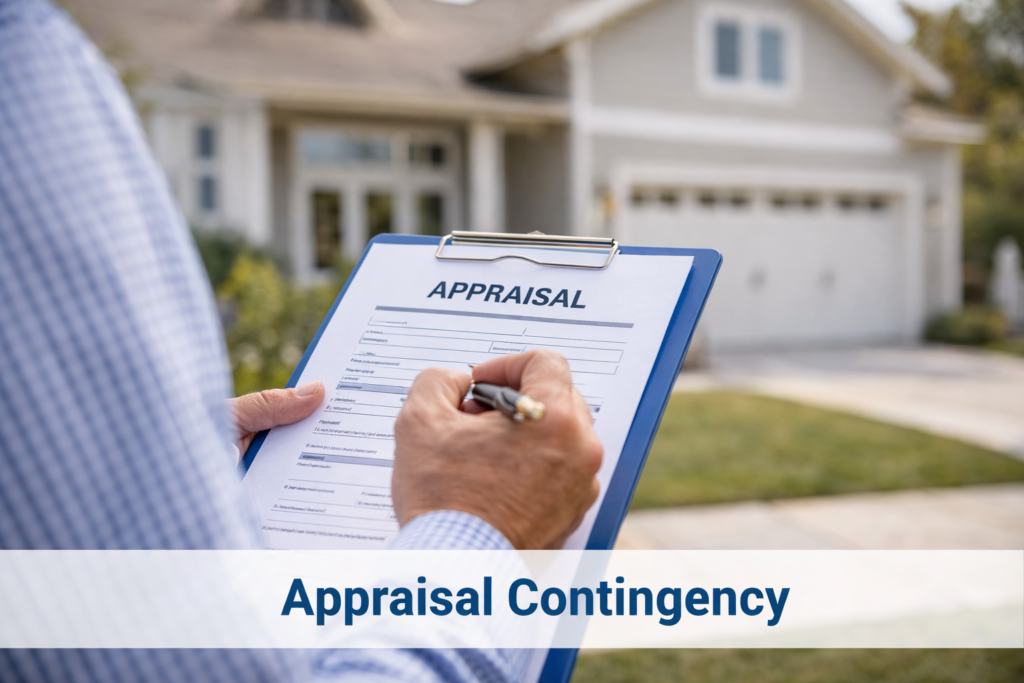
    3. Appraisal Contingency

    Lenders usually require an appraisal to confirm the property’s value.

    If the home appraises for less than the agreed purchase price, the buyer can:

    • Negotiate a lower price
    • Pay the difference out of pocket
    • Cancel the deal

    For instance, if you agree to buy a home for $300,000 but it appraises at $280,000, the lender may only finance based on the lower value.

    4. Home Sale Contingency

    This contingency applies when the buyer needs to sell their current home before buying a new one.

    It’s riskier for sellers because the deal depends on another transaction. If the buyer’s home doesn’t sell, the purchase may not go through.

    5. Title Contingency

    This ensures the property has a clear title—meaning no legal disputes, liens, or ownership issues.

    If problems are found, they must be resolved before closing.

    What Does “Contingent” Mean for Buyers?

    As a buyer, a contingent listing doesn’t always mean you’ve missed your chance.

    In many cases, you can still:

    • Submit a backup offer
    • Monitor the listing in case the deal falls through

    From my experience, deals fall apart more often than people think—sometimes due to financing issues or failed inspections.

    However, you should also be realistic. If the contingencies are minor and likely to be resolved quickly, the chances of the deal collapsing are lower.

    What Does “Contingent” Mean for Sellers?

    For sellers, a contingent offer is both good and slightly uncertain.

    On one hand, you have a committed buyer. On the other, the deal is not guaranteed.

    That’s why some sellers continue to:

    • Accept backup offers
    • Keep the listing active

    For example, if the buyer’s financing is shaky, the seller may want a backup plan ready.

    Contingent vs. Pending: What’s the Difference?

    This is where many people get confused.

    • Contingent: Conditions still need to be met
    • Pending: All contingencies have been satisfied, and the deal is close to final

    A pending home is much closer to being sold, while a contingent home still has hurdles to clear.

    Can You Make an Offer on a Contingent Home?

    Yes, you can.

    In fact, making a backup offer can be a smart move, especially in competitive markets.

    Here’s how it works:

    • Your offer becomes active only if the current deal falls through
    • You don’t compete directly unless the first buyer backs out

    I’ve seen buyers successfully secure homes this way—especially when the first deal collapses due to financing issues.

    Why Do Real Estate Deals Fall Through?

    Even after a home becomes contingent, not every deal makes it to closing.

    Some common reasons include:

    • Loan denial or financing problems
    • Low appraisal value
    • Major issues found during inspection
    • Buyer’s home failing to sell
    • Unexpected personal or financial changes

    According to industry estimates, around 5–10% of real estate contracts fall through, depending on market conditions. That’s why backup offers can be valuable.

    Tips for Buyers Dealing with Contingent Listings

    If you’re house hunting, here are a few practical tips:

    👉 Stay in touch with your real estate agent so you can act quickly if a deal falls through
    👉 Don’t rely only on contingent homes—keep exploring other options
    👉 Consider submitting a strong backup offer to improve your chances
    👉 Understand the type of contingency involved before making a decision

    Tips for Sellers Accepting Contingent Offers

    If you’re selling a home, you can reduce risk by:

    👉 Choosing buyers with strong financial profiles
    👉 Limiting contingency timelines (e.g., shorter inspection periods)
    👉 Continuing to accept backup offers
    👉 Working with experienced agents who can guide negotiations

    Final Thoughts

    So, what does “contingent” mean in real estate?

    It simply means the home is under contract, but the sale depends on certain conditions being met before it becomes final.

    Once you understand this, the term becomes much less confusing. It’s not a dead end—it’s just a step in the process.

    Whether you’re buying or selling, knowing how contingencies work can help you make smarter decisions and avoid surprises along the way.

    If you found this article informative, feel free to check out our other articles as well.

  • How Many Jobs Are Available in Real Estate Investment Trusts? (2026 Guide)

    How Many Jobs Are Available in Real Estate Investment Trusts? (2026 Guide)

    If you’re wondering how many jobs are available in real estate investment trusts (REITs), the short answer is: thousands of direct positions across the U.S., and hundreds of thousands more indirectly connected to REIT-owned properties. Publicly traded REITs alone support well over 200,000 direct jobs, while the broader real estate ecosystem tied to REITs creates many more roles in property management, construction, finance, and operations.

    But the real opportunity goes beyond just the number. REITs offer careers in finance, asset management, property operations, legal compliance, marketing, development, and even technology. In this article, I’ll break down the job landscape, salary expectations, growth outlook, and what it really takes to build a career in this sector.

    With that in mind, let’s take a closer look at how real estate investment trusts operate and what kind of job opportunities this growing sector has to offer.

    What Are Real Estate Investment Trusts (REITs)?

    A Real Estate Investment Trust, commonly called a REIT, is a company that owns, operates, or finances income-producing real estate. These properties can include:

    • Office buildings
    • Apartment communities
    • Shopping centers
    • Hospitals
    • Data centers
    • Warehouses and logistics hubs
    • Hotels

    REITs allow investors to buy shares in real estate portfolios without directly owning property. Many REITs are publicly traded, which means they operate like stocks but are backed by real estate assets.

    In the U.S., there are more than 200 publicly traded REITs, along with private and non-traded REITs. Together, they manage trillions of dollars in real estate assets. With that level of scale, job creation becomes significant.

    How Many Jobs Are Available in REITs?

    When we look at the numbers, publicly traded REITs in the United States directly employ over 200,000 people. These are full-time, salaried roles inside REIT companies themselves.

    But that’s only part of the picture.

    REIT-owned properties support a much larger workforce. When you include property managers, maintenance teams, construction workers, leasing agents, and contracted service providers, the total employment impact reaches into the millions.

    So if your question is, “Are there real career opportunities in REITs?” — the answer is absolutely yes.

    Direct Jobs vs. Indirect Jobs

    Here’s how I like to explain it:

    Direct jobs are roles within the REIT company itself. For example:

    • Financial analysts
    • Asset managers
    • Investor relations specialists
    • Legal and compliance officers
    • Development managers
    • Corporate accountants

    Indirect jobs are roles at properties owned by REITs:

    • Property managers
    • Maintenance technicians
    • Leasing consultants
    • Security staff
    • Construction workers

    Both types offer stable career paths, but corporate REIT roles often come with higher salaries and growth opportunities.

    How REITs Generate Revenue

    Before deciding whether a career in REITs makes sense, I think it helps to understand how these companies actually earn money. Their income model directly influences the types of jobs they create.

    Most Real Estate Investment Trusts make money in three primary ways:

    Rental Income

    The largest source of revenue comes from collecting rent. REITs own properties such as apartment buildings, office towers, shopping centers, hospitals, and warehouses. Tenants sign leases and pay rent monthly or annually.

    For example, a multifamily REIT earns consistent income from apartment residents. An industrial REIT earns rental income from logistics companies leasing warehouse space. The more stable the tenant base, the more predictable the revenue.

    This steady rental income is what supports many operational jobs like property managers, leasing agents, maintenance teams, and asset managers.

    Property Appreciation and Sales

    REITs may also sell properties for a profit. If a building increases in value due to market demand, renovations, or improved occupancy rates, the REIT can sell it at a higher price.

    This activity creates jobs in acquisitions, development, asset management, and investment analysis. Professionals in these roles study market trends, evaluate deals, and decide when it makes financial sense to buy or sell properties.

    Financing and Interest Income

    Some REITs, often called mortgage REITs, focus on financing rather than owning physical properties. Instead of collecting rent, they earn income from interest on real estate loans.

    These REITs borrow money at lower interest rates and lend it at higher rates, generating profit from the difference. This model supports careers in credit analysis, risk management, and structured finance.

    Dividend Distribution Requirement

    One important rule is that REITs must distribute at least 90% of their taxable income to shareholders as dividends. This requirement is what makes them attractive to investors looking for regular income.

    Because so much profit is paid out, REITs rely heavily on strong property performance and smart financial management. That’s why skilled professionals in finance, leasing, operations, and development are essential to their success.

    When I look at it closely, I see that every dollar a REIT earns flows through multiple departments. That flow of revenue is what creates and sustains thousands of jobs across the industry.

    Types of Jobs Available in REITs

    One of the biggest misconceptions I see is that REIT jobs are only for finance professionals. That’s not true. REITs operate like full-scale corporations.

    Here are the main career categories.

    1. Finance and Investment Roles

    This is the core of any REIT.

    Common positions include:

    • Financial Analyst
    • Investment Analyst
    • Portfolio Manager
    • Asset Manager
    • Acquisitions Analyst

    These roles focus on buying properties, analyzing returns, managing risk, and reporting performance to investors.

    If you enjoy working with numbers, modeling deals, and evaluating property performance, this area can be very rewarding.

    2. Property and Asset Management

    This is where operations meet strategy.

    Jobs include:

    • Property Manager
    • Regional Manager
    • Asset Manager
    • Operations Director

    Property managers handle daily building operations. Asset managers focus on improving long-term value and income performance.

    I’ve noticed that many professionals start in property management and later move into asset management.

    3. Development and Construction

    Some REITs actively develop new properties.

    Common roles:

    • Development Manager
    • Construction Project Manager
    • Site Supervisor
    • Development Analyst

    These jobs involve overseeing new builds, renovations, and expansions. If you enjoy seeing physical projects come to life, this side of REITs can be exciting.

    4. Legal and Compliance

    REITs must follow strict regulations to maintain their tax status. That creates demand for:

    • Compliance Officers
    • Real Estate Attorneys
    • Risk Managers
    • Corporate Governance Specialists

    This area is ideal for professionals with legal or regulatory backgrounds.

    5. Sales, Leasing, and Marketing

    Especially in retail, office, and multifamily REITs, leasing teams are essential.

    Roles include:

    • Leasing Consultant
    • Marketing Director
    • Tenant Relations Manager

    These professionals ensure properties stay occupied and generate consistent rental income.

    6. Technology and Data

    Modern REITs rely heavily on data analytics and property technology.

    You’ll find roles such as:

    • Data Analyst
    • IT Manager
    • Systems Administrator
    • PropTech Specialist

    As real estate becomes more tech-driven, these jobs are growing steadily.

    Salary Expectations in REIT Careers

    Salaries vary depending on experience, location, and job type.

    Here’s a general idea in the U.S.:

    • Financial Analyst: $65,000–$95,000 per year
    • Asset Manager: $90,000–$150,000+ per year
    • Property Manager: $55,000–$90,000 per year
    • Development Manager: $100,000+ per year
    • REIT Executive Roles: $200,000+ annually

    Entry-level corporate roles typically start around $60,000–$70,000. With experience, income can grow significantly, especially if bonuses and performance incentives are included.

    In my view, REIT careers offer one of the better pay-to-stability combinations within the real estate industry.

    Education and Skills Required

    Most corporate REIT roles require at least a bachelor’s degree. Common majors include:

    • Finance
    • Real Estate
    • Business Administration
    • Accounting
    • Economics

    For senior investment roles, an MBA or professional certifications like CFA (Chartered Financial Analyst) can be helpful.

    Beyond education, employers look for:

    • Strong analytical skills
    • Financial modeling ability
    • Communication skills
    • Market research knowledge
    • Negotiation skills

    For property-level roles, hands-on experience often matters more than advanced degrees.

    Job Growth Outlook

    The long-term outlook for REIT jobs remains steady.

    Real estate demand continues in sectors like:

    • Industrial warehouses (due to e-commerce growth)
    • Data centers (due to cloud computing)
    • Multifamily housing (due to urban demand)
    • Healthcare facilities (due to aging populations)

    While office properties have faced challenges in recent years, other sectors have expanded. This diversification helps REIT employment remain stable.

    When I look at the industry as a whole, I see it as cyclical but resilient. Real estate will always play a central role in the economy.

    Advantages of Working in REITs

    Here’s what attracts many professionals to this field:

    Stability:

    REITs generate income from long-term leases. That steady revenue often supports stable employment.

    Competitive Pay:

    Many roles offer strong base salaries plus bonuses.

    Public Market Exposure:

    Public REITs operate like Wall Street firms but focus on tangible assets.

    Clear Career Path:

    You can move from analyst to manager to executive over time.

    Diversified Experience:

    You may work with properties across multiple states or even countries.

    Challenges to Consider

    It’s not all smooth sailing.

    The industry is sensitive to:

    • Interest rate changes
    • Economic downturns
    • Property market cycles

    Competition for top corporate roles can also be strong, especially in major cities like New York, Chicago, and Los Angeles.

    However, for professionals who are patient and adaptable, REIT careers can be very rewarding.

    How to Get Started in a REIT Career

    If you’re serious about entering this field, here’s what I recommend:

    Start with internships during college. Many REITs offer summer analyst programs.

    Learn financial modeling. Excel skills are essential for investment roles.

    Network within real estate associations and attend industry events.

    Consider entry-level roles in property management if corporate finance roles feel out of reach at first.

    Build experience and move up strategically.

    Final Thoughts: Is There Opportunity in REITs?

    So, how many jobs are available in real estate investment trusts?

    Directly, over 200,000 roles in publicly traded REITs across the U.S. Indirectly, hundreds of thousands more connected to REIT-owned properties. And when you include private REITs, the opportunity expands even further.

    In my experience researching this field, REITs offer one of the most structured and financially stable career paths within real estate. Whether you’re interested in finance, operations, development, or technology, there’s likely a place for you.

    Frequently Asked Questions (FAQ)

    1. Which REIT roles or sectors usually offer higher income?

    On the career side, investment and executive roles such as acquisitions manager, asset manager, and portfolio manager typically offer the highest salaries, often with performance bonuses.

    On the investment side, sectors like industrial warehouses, data centers, and healthcare properties have shown strong profitability in recent years. However, performance can change with market conditions.

    2. What is the average return investors can expect from REITs?

    Historically, U.S. equity REITs have delivered long-term average annual returns in the range of 8%–12%, including dividends and price growth. Dividend yields commonly fall between 3% and 6%, though this varies by company and market conditions.

    3. Are jobs in REITs stable?

    REIT roles are generally considered stable because companies earn recurring rental income from long-term leases. Still, certain sectors, like office or retail, may be more affected during economic downturns.

    4. Do I need a finance degree to work in a REIT?

    Not always. Corporate investment roles usually require finance or business education, but property management, leasing, operations, and maintenance roles often value hands-on experience more than advanced degrees.

    If you found this article informative, feel free to check out our other articles as well.

  • How to Generate Real Estate Leads from Facebook

    How to Generate Real Estate Leads from Facebook

    Facebook remains one of the most powerful platforms for real estate lead generation — when it’s used strategically. With millions of active users browsing daily, homeowners, renters, and potential buyers are already spending time there. The real opportunity for agents is simple: reach the right local audience, present a clear offer, and follow up quickly.

    Generating real estate leads from Facebook is not about randomly boosting listings. It requires a focused plan that combines targeted ads, valuable content, audience segmentation, and consistent follow-up. When these elements work together, Facebook can become a predictable source of buyer and seller inquiries instead of a guessing game.

    In this guide, I’ll walk you through practical, field-tested strategies that real estate agents use to turn Facebook into a steady lead pipeline — without wasting ad spend or relying on luck.

    Why Facebook Advertising Remains a Lead Engine for Realtors

    Facebook continues to dominate local digital attention. Millions of Americans log in daily, and many of them are homeowners, renters, or future buyers. What makes Facebook powerful for real estate is its targeting capability.

    You can target users by:

    • Zip code or radius
    • Age range
    • Income bracket
    • Interests like “house hunting” or “mortgage loans”
    • Life events such as recently engaged or newly employed

    That level of targeting allows agents to reach people who are more likely to move. Combined with strong creative and follow-up, this becomes a steady source of buyer and seller inquiries.

    Start with a Clear Objective and the Right Audience

    Before spending a single dollar on ads, you need clarity.

    Ask yourself:

    • Are you targeting buyers, sellers, or both?
    • Are you promoting a listing, a home valuation, or a free guide?
    • Are you focusing on a specific neighborhood?

    For example, if you’re targeting sellers, your campaign objective might be generating home valuation requests. Your audience could be homeowners aged 35–65 within a specific zip code.

    The more specific you are, the better your results. Broad campaigns usually produce cheap leads but low conversion rates.

    Make Your Content Work Harder

    Most agents rely only on listing photos. That’s not enough.

    Your Facebook content should build trust and authority before asking for contact information.

    Here’s what works well:

    Short educational videos explaining:

    • “How much equity do homeowners have in 2026?”
    • “What buyers are looking for this year.”

    Local market updates with simple statistics:

    • Median price trends
    • Average days on market
    • Inventory shifts

    Client testimonials with real stories instead of generic praise.

    Video content often gets stronger engagement than static posts. Even a simple 60-second market update filmed on your phone can outperform polished graphics if it feels authentic.

    The goal is to make people see you as the local expert, not just another salesperson.

    Separate Your Audiences for Better Results

    Not all leads are equal. Buyers behave differently than sellers. First-time buyers behave differently than investors.

    Segment your campaigns based on:

    • Buyers vs. sellers
    • Cold audiences vs. warm audiences
    • Website visitors vs. new prospects

    For example:
    Run one campaign offering a “Free First-Time Buyer Checklist.”
    Run another offering a “Free Home Value Report.”

    You can also create retargeting ads for people who watched 50% or more of your videos. These users already know you, so they are more likely to convert.

    By separating audiences, you improve ad performance and reduce wasted budget.

    Expand Your Presence with Pages and Community Groups

    As your brand grows, don’t rely only on your business page.

    Local Facebook groups are powerful for relationship building. Join neighborhood groups and contribute helpful advice. Avoid posting direct sales pitches. Instead, answer questions like:

    • “Is this area good for families?”
    • “What are property taxes like here?”

    When people repeatedly see you offering value, they naturally reach out.

    You can also create your own local real estate group focused on:

    • Market updates
    • Home maintenance tips
    • Community events

    This positions you as a long-term resource, not just an agent chasing listings.

    Use Facebook Marketplace for Extra Visibility

    Facebook Marketplace is often overlooked in real estate marketing. Yet many users actively browse properties there.

    Posting listings on Marketplace can increase exposure at no additional cost. Include:

    • High-quality photos
    • Clear pricing
    • Location details
    • A direct contact option

    Marketplace works especially well for rental properties and entry-level homes. While not every inquiry will be serious, it adds another traffic channel into your funnel.

    Use Facebook Ads for Targeted Lead Generation

    Organic content builds trust, but ads help you scale.

    There are three main Facebook ad strategies that work well for real estate:

    1. Lead Form Ads

    Facebook Lead Ads allow users to submit their name, email, and phone number without leaving the platform. These work well for:

    • Free home valuation offers
    • Buyer guides
    • Market reports

    Keep the form simple. The more fields you add, the fewer submissions you’ll get.

    2. Listing Promotion Ads

    Instead of simply boosting a post, create a proper ad campaign through Facebook Ads Manager. Target people within a specific radius of the property location.

    Use high-quality photos or short video walkthroughs. Include a strong call-to-action like “Schedule a Private Showing.”

    3. Retargeting Ads

    Retarget people who:

    • Visited your website
    • Engaged with your posts
    • Watched your videos

    Retargeting often costs less and converts better because these people already know you.

    Automate and Integrate Your Lead Follow-Up

    Generating leads is only half the process. Converting them is where most agents fall short.

    Facebook Lead Ads allow users to submit their contact information without leaving the app. However, speed matters. Leads go cold quickly.

    Connect your Facebook Lead Ads directly to your CRM so that:

    • Leads are automatically saved
    • Instant email responses are triggered
    • Text message follow-ups are sent
    • Call reminders are created

    A simple automated response might say:
    “Thanks for requesting your home value report. I’ll personally review your property and follow up shortly.”

    Follow up within minutes whenever possible. Studies across sales industries consistently show higher conversion rates when contact happens quickly.

    Set up a structured follow-up plan:
    Day 1: Personal call or text
    Day 2: Email with helpful resource
    Day 4: Market update
    Day 7: Check-in message

    Many deals close months later because the agent stayed consistent.

    Final Thoughts

    Generating real estate leads from Facebook is not about posting random listings or boosting every post. It requires a clear strategy: build trust with organic content, use targeted ads to capture leads, engage in local groups, and follow up consistently.

    If you stay active, respond quickly, and provide real value, Facebook can become one of your most reliable lead sources.

    If you found this article informative, feel free to check out our other articles as well.

  • Best Marketing Tools for Real Estate Agents to Generate More Leads in 2026

    Best Marketing Tools for Real Estate Agents to Generate More Leads in 2026

    If you ask me what the best marketing tools for real estate agents are, I would say this: the right mix of CRM software, email marketing, social media scheduling, paid advertising platforms, listing optimization tools, and analytics dashboards. No single tool will grow your business alone. The real power comes from combining tools that help you attract leads, nurture them, and convert them into closed deals.

    Real estate is competitive. According to industry data, millions of homes are sold every year in the U.S., and there are over 1.5 million licensed agents. That means standing out is not optional. It is necessary. In this article, I’ll break down the most effective marketing tools real estate agents can use, how they work, and why they matter.

    Why Marketing Tools Matter for Real Estate Agents

    Most buyers start their home search online. Studies show that more than 90% of home buyers use the internet during their search process. If your brand is not visible online, you are missing opportunities.

    I have seen agents rely only on referrals. Referrals are powerful, but they are unpredictable. Marketing tools give you control. They help you build a steady pipeline of leads instead of waiting for the next phone call.

    Now let’s look at the best categories of tools and how they help agents grow.

    CRM Software: The Foundation of Real Estate Marketing

    A CRM (Customer Relationship Management) system is the backbone of any serious real estate business.

    Some popular CRM tools for agents include:

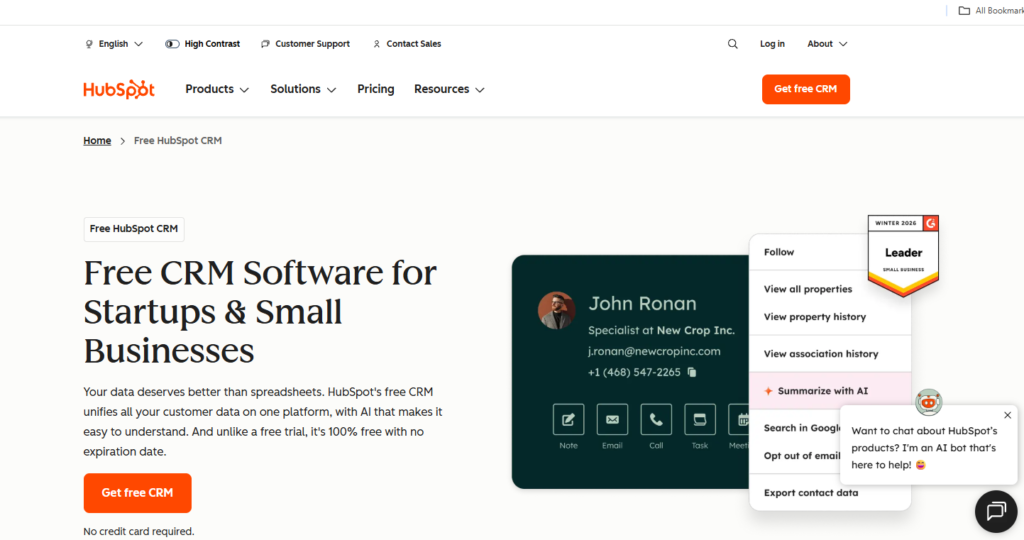
    HubSpot CRM

    HubSpot CRM is known for its simple setup and clean dashboard. It allows agents to track deals, manage contacts, and automate email follow-ups. Email tracking and task reminders help ensure consistent communication with leads. It also supports team collaboration, making it suitable for agents who plan to grow or build a team.

    Follow Up Boss

    Follow Up Boss is designed specifically for real estate professionals. It integrates with major real estate lead sources and automatically captures inquiries. The system focuses on fast lead response with instant alerts and automated text replies. It also offers structured follow-up plans to help agents convert more leads into clients.

    LionDesk

    LionDesk is a cost-effective CRM option popular among solo agents. It combines email, text messaging, and video messaging in one platform. Agents can create automated drip campaigns and segment contacts easily. Its video messaging feature helps add a personal touch when connecting with new leads.

    A good CRM helps you:

    • Track leads from multiple sources
    • Set reminders for follow-ups
    • Automate emails and text messages
    • Segment buyers and sellers

    For example, if someone downloads your home buying guide, your CRM can automatically send a follow-up email series. Instead of manually remembering to check in, the system does it for you.

    In my experience, agents who consistently follow up close more deals. A CRM makes consistent follow-up possible.

    Email Marketing Tools: Nurture Leads Automatically

    Email is still one of the highest ROI marketing channels. Studies show that email marketing can return $36 or more for every $1 spent.

    Some widely used email marketing tools include:

    Mailchimp

    Mailchimp is a beginner-friendly email marketing platform that many real estate agents use. It offers drag-and-drop email templates, audience segmentation, and basic automation. You can create welcome sequences, send listing updates, and track open and click rates easily. It is a good option for agents who want simple email marketing without a steep learning curve.

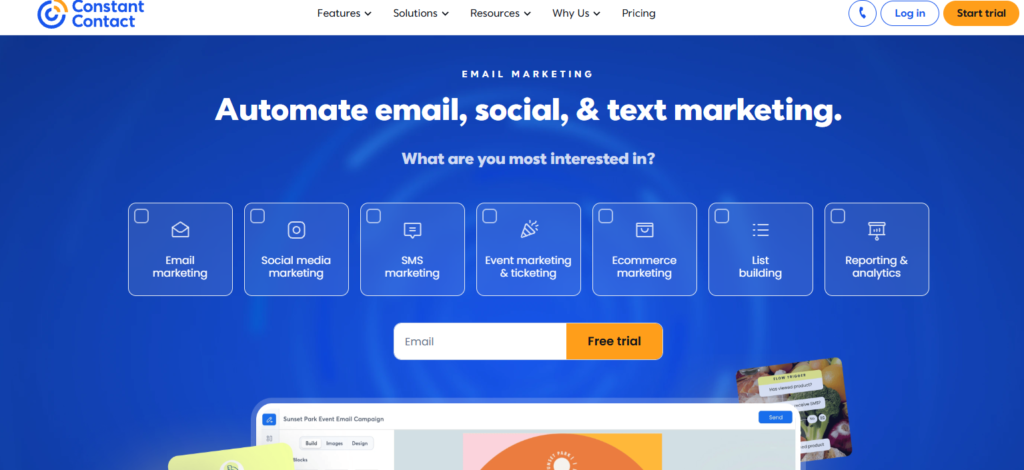
    Constant Contact

    Constant Contact is known for reliability and strong customer support. It provides professional email templates suitable for newsletters, open house promotions, and market updates. The platform also includes contact management and performance tracking. It works well for agents who prefer a straightforward and stable system.

    ActiveCampaign

    ActiveCampaign focuses more on advanced automation and lead nurturing. It allows you to build detailed email workflows based on user behavior, such as clicks or website visits. You can segment contacts deeply and create personalized follow-up campaigns. It is ideal for agents who want more control over automation and long-term lead conversion.

    With these tools, you can:

    • Send monthly market updates
    • Share new listings
    • Educate first-time buyers
    • Re-engage old leads

    I always recommend creating different email lists. For example, buyers under $400,000, luxury buyers, sellers, and investors. When your message is targeted, open rates and response rates improve.

    Social Media Scheduling Tools: Stay Consistent Without Stress

    Social media is not just about posting listings. It is about building trust and staying visible.

    Tools like:

    Buffer

    Buffer is a simple and clean social media scheduling tool. It allows real estate agents to plan and publish posts across platforms like Facebook, Instagram, LinkedIn, and X from one dashboard. You can schedule listing posts, market updates, and educational content in advance.

    One of Buffer’s strengths is its ease of use. The interface is not complicated, so you can quickly create a weekly posting schedule. It also provides basic analytics, helping you see which posts get the most engagement. For solo agents who want consistency without spending hours online every day, Buffer works well.

    Hootsuite

    Hootsuite is a more advanced social media management platform. It allows you to manage multiple accounts, schedule content, monitor comments, and track performance from a single dashboard.

    For real estate teams, Hootsuite can be especially useful because it supports collaboration. Team members can assign messages, respond to inquiries, and monitor brand mentions. It also offers deeper analytics compared to simpler tools. If you handle multiple social channels and want more detailed reporting, Hootsuite is a strong option.

    Later

    Later is popular for visual content planning, especially for Instagram. It provides a visual content calendar where you can drag and drop posts to plan your feed layout. This is helpful for real estate agents who rely heavily on property photos and branding consistency.

    Later also supports scheduling for other platforms and includes basic analytics. If your strategy focuses on high-quality listing photos, reels, and visual storytelling, Later makes it easier to maintain an organized and attractive social presence.

    help you plan and schedule posts in advance.

    Instead of scrambling every day for content, you can schedule:

    • Listing photos
    • Behind-the-scenes videos
    • Client testimonials
    • Local market insights

    When I work with agents, I suggest posting at least three to five times per week. Consistency builds recognition. Recognition builds trust. Trust leads to transactions.

    Real Estate Listing & Design Tools: Make Your Properties Stand Out

    Presentation matters. Buyers often decide within seconds whether they are interested in a property.

    Design tools like:

    Canva

    Canva is one of the most popular design tools for real estate agents because it is easy to use and does not require graphic design experience. It offers ready-made templates for property flyers, social media posts, open house invitations, business cards, and listing presentations.

    The drag-and-drop editor makes it simple to customize colors, fonts, and images to match your brand. You can upload your own property photos and quickly create professional-looking graphics. Canva also provides brand kits, which allow you to save your logo, colors, and fonts for consistent marketing materials.

    For agents who want fast, clean, and affordable design solutions, Canva is a practical and reliable option.

    Adobe Express

    Adobe Express is a design tool that combines simplicity with more advanced creative control. It offers templates similar to Canva but includes stronger editing features powered by Adobe technology.

    Real estate agents can use Adobe Express to create listing ads, social media graphics, short promotional videos, and branded marketing materials. It also supports quick background removal and image enhancements, which can be helpful when working with property photos.

    If you want slightly more design flexibility while still keeping the process simple, Adobe Express is a solid choice.

    help you create:

    • Property flyers
    • Social media graphics
    • Open house invitations
    • Branded marketing materials

    For virtual tours and listing exposure, platforms such as:

    Matterport

    Matterport is a 3D virtual tour platform that allows real estate agents to create immersive, interactive property tours. Instead of just showing photos, you can give buyers a realistic walkthrough experience where they can explore rooms, zoom in on details, and move through the space online.

    This tool is especially useful for out-of-state or busy buyers who cannot visit the property in person. A 3D tour can increase engagement and help serious buyers make faster decisions. Listings with virtual tours often receive more views compared to listings with only static images.

    Matterport also provides floor plans and measurement features, which add extra value for buyers who want detailed information. For agents who want their listings to stand out and look more professional, Matterport can be a strong marketing advantage.

    allow buyers to explore homes remotely. This is especially helpful for out-of-state buyers.

    I have seen listings with professional photos and 3D tours get significantly more engagement than listings with basic phone photos. Investing in visual tools can directly impact how fast a home sells.

    Website Builders and IDX Tools: Own Your Online Presence

    Your website is your digital office. Social media platforms can change their algorithms at any time, but your website is fully under your control.

    Website platforms such as:

    WordPress

    WordPress is one of the most widely used website platforms in the world. It gives real estate agents full control over design, content, and SEO. You can add IDX integrations, create neighborhood guides, publish blog posts, and optimize pages for local search results.

    It is highly flexible, but it may require basic technical knowledge or help from a developer. If you want long-term scalability and strong SEO control, WordPress is a powerful choice.

    Wix

    Wix is a beginner-friendly website builder that allows agents to create a professional site using drag-and-drop tools. No coding is required. It offers ready-made templates that work well for showcasing listings, testimonials, and contact forms.

    Wix is ideal for agents who want a quick setup and simple management. While it may not offer as much flexibility as WordPress, it is easy to maintain and suitable for small to mid-level real estate businesses.

    allow you to create a professional site.

    Adding an IDX (Internet Data Exchange) integration lets visitors search live MLS listings directly on your site. This keeps traffic on your domain instead of sending it to third-party portals.

    A strong website should include:

    • Local area guides
    • Market reports
    • Testimonials
    • Lead capture forms

    When I review agent websites, I often see beautiful designs but no clear call-to-action. Make it easy for visitors to contact you.

    Analytics and Tracking Tools: Measure What Works

    Marketing without tracking is guessing.

    Tools like:

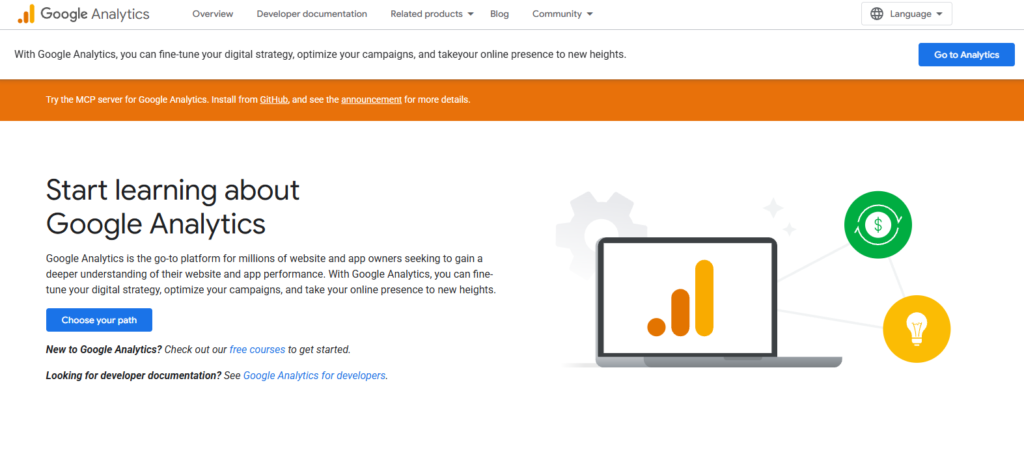
    Google Analytics

    Google Analytics is a free tool that tracks website performance. It shows where your visitors come from, which pages they view, and how long they stay.

    Real estate agents can use it to measure traffic from social media, ads, or search engines and track lead form submissions. It helps you make decisions based on real data instead of guesswork.

    help you understand:

    • Where your traffic comes from
    • Which pages people visit
    • How long they stay

    If you run ads, tracking conversion rates helps you see which campaigns bring real leads.

    For example, if one ad campaign generates leads at $10 per lead and another at $40 per lead, the data tells you where to invest more budget.

    I always recommend reviewing your numbers at least once a month. Small adjustments can lead to big improvements over time.

    Video Marketing Tools: Build Authority Faster

    Video builds trust faster than text alone. Buyers want to see and hear the person they might work with.

    You can use simple tools like:

    CapCut

    CapCut is a beginner-friendly video editing app that works well for creating short real estate videos. Agents can edit property walkthroughs, add text overlays, include background music, and create social media reels quickly. It is simple to use and ideal for Instagram, Facebook, and short-form content.

    iMovie

    iMovie is a basic video editing software available for Apple users. It allows agents to trim clips, add transitions, include titles, and create clean property tour videos. It is suitable for simple, professional-looking edits without needing advanced video skills.

    to create:

    • Property walkthroughs
    • Market updates
    • Neighborhood tours
    • FAQ videos

    Short-form videos on platforms like Instagram and YouTube can position you as the local expert. I have seen agents grow from zero online presence to thousands of followers in under a year by consistently posting helpful video content.

    How to Choose the Right Marketing Tools

    Not every agent needs every tool.

    Here is a simple way to decide:

    • If you struggle with follow-up → start with a CRM
    • If you lack visibility → focus on social media and paid ads
    • If your listings do not stand out → invest in design and virtual tours
    • If you do not know what is working → install analytics

    Start small. Master one system at a time. Marketing works best when it is consistent, not complicated.

    Conclusion

    The best marketing tools for real estate agents are the ones that help you attract, nurture, and convert leads consistently. A strong CRM, email marketing platform, social scheduling tool, paid ads, a professional website, and analytics tracking form a powerful system when used together.

    I believe the biggest mistake agents make is jumping from one tool to another without a clear strategy. Pick your tools carefully, use them consistently, and focus on building relationships. That is what closes deals.

    If you found this article informative, feel free to check out our other articles as well.

    FAQs

    What is the most important marketing tool for real estate agents?

    A CRM is often the most important tool because it helps manage leads, automate follow-ups, and track client communication. Without proper follow-up, even high-quality leads can go cold.

    Are paid ads worth it for real estate agents?

    Yes, paid ads can be very effective when targeted properly. Platforms like Facebook and Google allow agents to reach specific audiences and generate leads quickly.

    How can real estate agents generate leads online?

    Agents can generate leads through SEO-optimized websites, social media marketing, email campaigns, paid advertising, and offering valuable content like home buying guides.

    Do real estate agents need a website?

    Yes. A professional website builds credibility, allows IDX listing integration, and helps capture leads directly without relying only on third-party platforms.

    How often should real estate agents post on social media?

    Posting three to five times per week is a good starting point. Consistency is more important than frequency, and content should provide value, not just promotions.