Author: Kandunu

  • Monixbet: ons casino, onze spellen en onze spelerervaring: Onze accountfuncties en speelervaring: een praktisch overzicht van de basisprincipes

    Casino illustration

    Ons spelaanbod en onze lobby

    Bij Monixbet vind je een overzichtelijk spelassortiment dat je direct bij ons in de lobby kunt bekijken. We bieden casinospellen, live games en snelle spellen aan, met een visuele opbouw waarin je jouw favoriete titel eenvoudig kunt lokaliseren. In ons casino kun je onmiddellijk beginnen met spelen, zonder eerst door lange menu’s te zoeken.

    Het complete aanbod van monixbet is onderverdeeld in duidelijke categorieën. Live spellen worden gehost door professionele dealers, terwijl klassieke slots, roulette, blackjack en bingo geschikt zijn voor uiteenlopende speelstijlen. We houden de productpresentatie helder, zodat je zonder onnodige stappen bij het gewenste spel komt.

    Onze games en casinosecties
    Casinosectie Wat je bij ons vindt Geschikt voor
    Live casino Blackjack, roulette, baccarat en shows met professionele dealers Spellen waarbij de actie en interactie centraal staan
    Slots Variërende thema’s, verschillende volatilityniveaus en bonusfuncties Snelle rondes en een persoonlijke favorietenlijst
    Casino spellen Blackjack, roulette, bingo en andere tafel- en kansspellen Wie zowel klassieke spellen als snelle opties wil gebruiken
    Snelle spellen Korte sessies met directe resultaten Korte bezoeken aan ons casino

    De lobby is ontworpen om vlot te draaien op verschillende schermgroottes. Je kunt games openen vanuit een overzichtelijke lijst, je favorieten markeren en terugkeren naar gespeelde titels. We zorgen ervoor dat belangrijke informatie, zoals inzetlimieten en beschikbare functies, meteen bij het spel zichtbaar is.

    Live games bij ons casino

    Onze live games combineren een digitale interface met een echte dealer aan tafel. Bij roulette beslis je zelf waarop je inzet, bij blackjack kies je uit diverse acties en bij baccarat volg je de handelingen van de dealer. Per titel gelden andere camera-instellingen en spelmogelijkheden, waardoor je vooraf de geselecteerde variant kent.

    We tonen bij ieder live spel relevante details, zoals de actuele ronde, de inzetopties en de beschikbare tijd. Zo hoef je niet te raden wat er aan de tafel gebeurt. De chatfunctie biedt een plek voor gesprekken tijdens het spel, terwijl de technische weergave consistent blijft toegespitst op de gekozen tabel.

    Onze bonussen en de voorwaarden

    We gebruiken bonussen om meer speelruimte te geven, niet om de voorwaarden onzichtbaar te maken. Welkomstaanbiedingen, stortingsbonussen en promoties kunnen verschillen per account en per periode. Bij monixbet bekijk je daarom altijd de actuele voorwaarden voordat je een aanbieding activeert.

    Een bonus wordt niet zomaar als extra saldo op je account bijgeboekt. Voor de meeste acties gelden een minimale storting, een bepaalde spelmethode of een vastgesteld aantal spellen. We tonen welke eisen voor jouw aanbieding gelden, zodat je weet wat er nodig is om de bonus daadwerkelijk te gebruiken.

    Bonussen en de belangrijkste voorwaarden
    Onze actie Mogelijke voorwaarde Wat je controleert
    Welkomstaanbieding Een eerste storting en een minimumspelbedrag De geldigheidsduur en de games die meetellen
    Stortingsbonus Een specifiek stortingsbedrag of betaalmethode De maximale bonus en de omslagvereiste
    Gratis spins Een gekozen slot en een vast aantal rondes De inzet per spin en het moment van uitbetaling
    Periodieke promotie Deelname binnen de aangegeven promotieperiode Of de actie automatisch wordt toegepast

    Houd bij het accepteren van een aanbieding rekening met de omslag, de maximale bonus en de geldigheidstermijn. Sommige winsten uit bonusgeld worden pas beschikbaar wanneer aan alle voorwaarden is voldaan. Activeer een promotie bij wensen niet wanneer de genoemde eisen niet bij jouw speelpatroon passen.

    Bonusgeld en uitbetalingen

    Zodra een bonus beschikbaar is, verschijnt deze bij de relevante spellen of in je accountgedeelte. We tonen bonusgeld en eigen saldo gescheiden van elkaar aan. Daardoor kun je bij elke spin zien welk bedrag uit welke bron wordt gebruikt. Wanneer een bonus is afgerond, wordt het resterende bedrag volgens de voorwaarden aan je account toegevoegd.

    Onze ondersteuning helpt je wanneer een aanbieding niet herkenbaar is of de voorwaarden onduidelijk zijn. Neem in dat geval via de beschikbare hulpfunctie contact op en noem de naam van de promotie. Op die manier kunnen we de promotie en de status van je account controleren.

    Betalingen, stortingen en opnames

    Voor stortingen en opnames bieden we verschillende betaalmethoden aan. De beschikbare methoden zijn afhankelijk van je locatie en de opties via je profiel. We tonen de methoden die voor jouw situatie zijn toegestaan en geven bij elke methode de relevante limieten en verwachte verwerkingstijd aan.

    Voor een geldstorting kies je een bedrag, kies je een beschikbare betaalmethode en bevestig je de transactie. Sommige methoden worden meteen verwerkt, terwijl andere wachten op de verwerking door de betalingsprovider. Je speelsaldo wordt wanneer geld wordt gestort pas verhoogd nadat de betaling is bevestigd.

    Voor opnames controleren we of de gekozen methode op jouw naam staat en of alle accountgegevens zijn ingevuld. Dit beperkt vertragingen en maakt de verwerking controleerbaar. Je ziet de beschikbare bedragen en kosten die kunnen gelden voordat je het opnemen van saldo bevestigt.

    Manieren om te spelen en te betalen
    Functie Onze uitvoering Wat je vooraf kunt controleren
    Betaalmethoden Meerdere beschikbare stortings- en opnameopties Limieten, kosten en verwerkingstijd
    Stortingen Directe bevestiging na een geslaagde betaling Het juiste bedrag en de juiste methode
    Opnames Verwerking naar een geregistreerde betaalmethode Accountgegevens en resterend saldo
    Valuta De valuta die bij je account en de gekozen methode hoort Eventuele omrekeningskosten

    Gebruik bij het instellen van betalingen bij voorkeur een methode die je zelf kunt verifiëren. Houd je betaalgegevens bij de hand en deel geen wachtwoorden of volledige accountinformatie met anderen. Bij afwijkende transacties neem je meteen contact op met onze klantendienst.

    Onze accountfuncties en speelervaring

    Bij Monixbet beheer je met je eigen account je persoonlijke lobby. Je vindt daar je favorieten, recente games, beschikbare promoties en de instellingen voor je betaalmethoden. De belangrijkste functies blijven compact, zodat je tijdens het spelen weinig tijd kwijt bent aan navigatie.

    Pas de weergave aan je scherm aan en sorteer spellen op grond van wat je eerder hebt gespeeld. Ook bewaren we je speelvoorkeuren per account, zodat een volgende sessie daarop aansluit. Wijzigingen aan eigen gegevens en betaalkoppelingen vereisen een extra bevestiging.

    Onze klantenservice

    Onze klantenservice helpt je met vragen over je account, transacties, bonussen en het spelcatalogus. Alleen de gegevens die nodig zijn om het onderwerp te controleren worden opgevraagd. Stuur nooit volledige betaalgegevens of een wachtwoord via een bericht.

    Een goed overzicht maakt het verschil tussen een speelbare lobby en een overzichtelijke lobby. Daarom combineren we duidelijke categorieën, directe spelgegevens en herkenbare accountfuncties. Kies bij ons casino een game, controleer de voorwaarden en speel met een saldo dat bij jouw planning past.

  • Online casino — Voor wie zijn onze aanbiedingen?: Tiptop

    Casino illustration

    Welke promoties bieden we?

    Bij Tiptop richten we onze bonusacties op spelplezier, transparante voorwaarden en een helder aanbod. We combineren een welkomstbonus voor nieuwe accounts met doorlopende promoties voor bestaande spelers. Het precieze bedrag, de geldigheidsduur en de bijbehorende eisen kunnen per actie verschillen. Daarom tonen wij de actuele voorwaarden bij elke aanbieding, zodat je vooraf weet waar je aan begint.

    Een van onze aanbiedingen is te bekijken via https://tip-top-netherlands.nl/. Controleer daar welke actie op dat moment beschikbaar is en welke spellen eraan gekoppeld zijn. Wij zetten de hoofdvoorwaarden in gewone taal uiteen, maar de volledige actievoorwaarden blijven leidend.

    Promotion types and their conditions
    Soort promotie Wat je ontvangt Belangrijkste voorwaarde
    Welkomstbonus Een bonusbedrag of een bundle met free spins Minimaal één storting en inzet op uitgesloten spellen kan tellen als een deel van de bonus
    Free spins Een vast aantal gratis draaibewegingen op geselecteerde slots De spins zijn meestal gekoppeld aan één spel en een beperkte geldigheidsduur
    Terugkomstbonus Een bonus voor actieve accounts of een persoonlijk aanbod De actie is afhankelijk van de aanbiedingsperiode en de voorwaarden in jouw account
    Cashbackactie Een deel van de nettoverliezen uit een afgesproken periode Het cashbackpercentage, de periode en de maximale uitbetaling verschillen per actie

    De bonus bedoeld om het account te openen is doorgaans het meest rechtstreeks: je stort, je activeert de actie en je speelt binnen de aangegeven voorwaarden. Bij een beloningsactie voor bestaande spelers kijken wij eerder naar recente activiteit. Hiermee kan dezelfde speler op diverse momenten een ander persoonlijk aanbod ontvangen.

    Voor wie zijn onze aanbiedingen?

    Onze promoties zijn beschikbaar voor volwassen klanten die een account bij https://tip-top-netherlands.nl/ kunnen gebruiken. Per land, betaalmethode of accountstatus kunnen aanvullende eisen gelden. Sommige aanbiedingen zijn beperkt tot eenmalige inschrijving, terwijl andere acties een periodiekke storting of een minimuminzet verlangen.

    Wij controleren de gegevens van een account voordat een bonus wordt toegekend. Dit helpt misbruik van dubbele accounts, verkeerd ingestelde betaalmethoden of het overdragen van een promotie te voorkomen. Als wij ongebruikelijke handelingen detecteren, kunnen we het aanbod aanhouden of de voorwaarden aanpassen. Houd daarom je eigen gegevens actueel en gebruik uitsluitend je eigen account.

    Account- en aanbiedingsvoorwaarden
    Onderwerp Onze uitleg
    Leeftijd en identiteit Je moet volwassen zijn en aan de geldende identiteits- en landvereisten voldoen
    Eén account per speler Meerdere accounts voor dezelfde speler of huishouden kunnen tot uitsluiting leiden
    Bonusactivering Je moet de actie accepteren en aan de opgegeven stortings- of speelvoorwaarden voldoen
    Wagering Een bonus moet vaak een vast aantal keren worden ingezet voordat een uitbetaling mogelijk is
    Maximale uitbetaling Bij sommige acties geldt een limiet voor winsten die voortkomen uit bonusgeld

    Een bonus is een onderdeel van ons aanbod, geen losstaand tegoed. Je speelt met het toegekende bedrag volgens de voorwaarden die bij de actie vermeld staan. Zodra alle eisen zijn volbracht, wordt het resterende bedrag aan je account toegevoegd of beschikbaar gemaakt voor een uitbetaling.

    Wat betekent een wageringseis in de praktijk?

    Stel dat een bonus een wageringseis van twintig heeft en het bedrag twintig euro bedraagt. Dan moet er in totaal vierhonderd euro aan geld worden ingezet voordat de bonus als vrijgespeeld geld telt. Het maakt niet uit of één lange speelsessie of meerdere korte rondes worden gebruikt. Verschillende spellen tellen niet voor alle acties even zwaar mee.

    Wij adviseren je om eerst de tabel met tellende spellen te bekijken. Daar staat welk percentage van je inzet aan de wageringseis wordt toegeschreven. Houd ook rekening met een deadline. Een ongebruikte bonus kan na de vermelde periode vervallen.

    Welke casinospellen passen erbij?

    Onze casinocollectie omvat klassieke slots, videoautomaten van nu en spellen met diverse bonusfuncties. Voor een welkomstactie kiezen wij doorgaans spellen die volgens de voorwaarden als bonusgeschikt zijn. Bij een free-spinsaanbod ontvang je doorgaans spins voor een specifieke titel, zodat de functies en het spelgedrag vooraf overzichtelijk zijn.

    Casino games and bonus features
    Speltype Kenmerkende functie Rol bij promoties
    Klassieke slots Drie of vijf draaikolommen met eenvoudige symbolen Veel inzetten tellen volledig mee, maar controleer de tellingsregels van de actie
    Videoslots Meerdere winlijnen, bonusspellen en uiteenlopende inzetniveaus De teller kan per slot verschillen en een uitgesloten spel levert geen bonusvoordeel op
    Spellen met gratis draaibewegingen Gratis spins als onderdeel van het spel Niet hetzelfde als een externe free-spinsactie; de eigen voorwaarden blijven gelden
    Live tafelspellen Een dealer voert het spel uit en je bepaalt zelf de inzet Deelname hangt af van de promotie; veel bonussen tellen deze spellen niet mee
    Jackpots Een verzamelbare jackpot met een vaste of veranderende prijs Kan aan specifieke voorwaarden of eigen limieten zijn gebonden

    De spellen bij ons in de lobby worden voorzien van een korte beschrijving en relevante technische informatie. Zo kun je het thema, het aantal winlijnen en de beschikbare functies beoordelen voordat je met bonusgeld begint. Een bepaald spel biedt niet automatisch een gunstigere kans; promotions bepalen alleen welke inzetten meetellen en welke extra functies beschikbaar zijn.

    Wij houden de promotievoorwaarden gekoppeld aan de productinformatie. Daardoor blijft helder welke spellen tijdens een actie meetellen. Wil je de complete reeks bekijken, open dan het aanbod binnen je profiel of raadpleeg de actiegegevens op onze site.

    Hoe verlopen deposits en withdrawals?

    Stortingen worden bij Tiptop afgehandeld via de betaalwijzen die beschikbaar zijn. De methode die je bij het openen van je account kiest, bepaalt welke opties daarna zichtbaar zijn. Houd de gegevens van de betaalmethode bij de hand, want de naam op het storten van geld moet overeenkomen met de naam op je account. Een afwijkende storting kan tot extra controle leiden.

    Een withdrawal volgt het principe dat beschikbaar saldo beschikbaar blijft en gebonden tegoed eerst aan de voorwaarden moet voldoen. Bij een actieve bonus wachten wij met de uitbetaling totdat de wageringseis is volbracht en de eventuele limiet is toegepast. De verwerkingsduur is afhankelijk van de gekozen betaalmethode en de controle van de gegevens.

    Controleer bij elke betaling de minimale en maximale bedragen. Ook een niet-toegekochte storting of een verkeerd ingevoerd bedrag kan de verwerking vertragen. Neem contact op met ons supportteam wanneer een betaling langer duurt dan op de betaalpagina is aangegeven en vermeld daarbij geen wachtwoord of volledige betaalgegevens.

    Goed opletten bij bonussen

    Onze beste tip is om een promotie te lezen voordat je de eerste storting doet. Kijk naar het type bonus, de uitsluitingslijst, de teller van de spellen, de maximale uitbetaling en de deadline. Deze vijf punten bepalen hoeveel speelruimte je overhoudt en voorkomen dat een aanvullende voorwaarde wordt over het hoofd gezien.

    Stel bij Tiptop een persoonlijk speelbudget vast en houd dit ook tijdens een bonusactie aan. Verhoog je inzet niet om sneller aan een wageringseis te voldoen. Als een actie niet binnen je planning past, is een andere betaalmethode of gewoon spelen zonder bonus doorgaans een betere keuze. Wij willen dat onze aanbiedingen informatief en haalbaar blijven.

    Bij Tiptop vind je welkomstbonussen, gratis spins, cashbackacties en gepersonaliseerde aanbiedingen met diverse voorwaarden. Bekijk altijd de actuele actiegegevens, speel alleen met bedragen die je wilt gebruiken en neem bij twijfel contact op met onze klantenservice. Zo houden we onze bonusaanbiedingen duidelijk voor iedere speler.

  • Online casino — Brutal: bonussen, promoties en voorwaarden

    Casino illustration

    Promotietypes en hun voorwaarden

    Bij ons casino zitten bonuses en promoties dicht op elkaar. We ontwerpen ze voor diverse manieren van spelen: een vaste welkomstbonus, een bonus over meerdere stortingen, kosteloze spins of een loyaliteitsprogramma. De precieze mogelijkheid is afhankelijk van het account, de beschikbare promotiecode en de aanbieding die op het moment van storten actief is.

    Een brutal casino moet voor spelers overzichtelijk zijn wat een bonus oplevert. Daarom geven we bij elke actie de belangrijkste voorwaarden weer: het minimum stortingsbedrag, de maximale bonus, de tijdslimiet, de vereiste inzetfactor en de games die meetellen. We leggen niet alleen vast wat je ontvangt, maar benoemen ook de belangrijkste aandachtspunten.

    Promotietypes en hun voorwaarden
    Promotietype Wat je ontvangt Belangrijke voorwaarde
    Welkomstbonus Een bonus bij de eerste storting Minimaal stortingsbedrag en inzetfactor volgens de actievoorwaarden
    Bonus over meerdere stortingen Een bonus verdeeld over de eerste stortingen Elke storting moet binnen de aangegeven periode vallen
    Gratis spins Een vast aantal spins op een geselecteerde game De spins zijn geldig binnen de vermelde termijn
    Loyaliteitsprogramma Beloningen op basis van gespeeld volume De niveaus en berekening staan in ons loyaliteitsprogramma

    De tabel maakt onmiddellijk overzichtelijk waarom de voorwaarden per actie verschillen. Een welkomstbonus is vaak eenvoudiger te beheren dan een bonus over meerdere stortingen, terwijl gratis draaibeurten in het bijzonder aansluiten bij een specifieke game. Controleer daarom altijd de actiepagina voordat je een storting uitvoert.

    Eisen voor aanbiedingen en accountvoorwaarden

    Om een aanbieding te gebruiken, moet je account actief en volledig geverifieerd zijn. We kunnen een bonus toewijzen nadat je storting op de juiste manier is verwerkt. Bij sommige promoties is een specifieke code nodig; bij andere wordt de bonus automatisch aan het account gekoppeld.

    Per land, betaalmethode of spelerprofiel kunnen aanvullende voorwaarden gelden. Sommige promoties zijn beperkt tot nieuwe accounts of tot een bepaalde hoeveelheid stortingen per dag. We publiceren die beperkingen bij de actie en passen de beschikbaarheid aan wanneer een campagne is afgelopen of het budget op is.

    Wat we van een bonusaccount verwachten

    We verwachten juiste accountgegevens en één account per speler. Het toevoegen van een betaalmethode aan naam van iemand anders kan de uitbetaling vertragen. Bij twijfel over de herkomst van een storting vragen we mogelijk om extra verificatiegegevens.

    De bonus wordt doorgaans aan je saldo toegevoegd wanneer aan alle voorwaarden is voldaan. Wanneer er een wageringseis geldt, moet de bonus worden ingezet voordat je die als speelcredits kunt gebruiken. Winsten uit die credits volgen dezelfde regels. Er is geen algemene belofte zonder actuele bonus, zelfs niet na een eerdere vergelijkbare aanbieding.

    Controlepunten voor account en aanbieding
    Controlepunt Onze uitleg
    Accountstatus Je account moet actief en volledig geverifieerd zijn.
    Promotiecode Gebruik precies de code die bij de gekozen aanbieding hoort, indien er een code vereist is.
    Storting Het bedrag moet voldoen aan het minimum en via een toegestane betaalmethode worden gemaakt.
    Wagering Lees de inzetfactor en de periode waarin de bonus moet worden gebruikt.
    Opname Eventuele verplichtingen uit de bonusvoorwaarden worden eerst afgehandeld.

    Neem bij twijfel vóór het activeren van een actie contact op met onze klantenservice. We kunnen de voorwaarden van een lopende aanbieding verduidelijken en aangeven welke stappen nog nodig zijn. Zo voorkom je dat een bonus onbedoel buiten de looptijd van de actie valt.

    Casino’s met bonusfuncties

    Onze spellencollectie combineert klassieke tafelspellen met moderne slots en live-games. De beschikbare spellen verschillen per account en kunnen door lokale licenties of regels verschillen. Alleen de games die expliciet in de actievoorwaarden worden genoemd, tellen mee bij een promotie.

    Bij slots kunnen gratis draaibeurten, uitbreidbare wildsymbolen in het spel en bonusrondes onderdeel zijn van het spel. Tafel- en live-games hebben hun eigen regels, waaronder een andere inzetstructuur. Daarom heeft niet automatisch elk spel dezelfde waarde binnen een bonus.

    Casino’s met bonusfuncties
    Speltype Mogelijke bonusfunctie Waar je op let
    Slots Gratis spins, bonusrondes of speciale symbolen Controleer of het spel is opgenomen in de bonusvoorwaarden
    Blackjack Strategische opties en varianten met eigen regels De inzet telt niet altijd volledig mee voor een wageringseis
    Roulette Varianten met verschillende kansverhoudingen Kies een versie die binnen de aanbieding valt
    Live-games Spelerskeuzes en aanvullende opties binnen de interface Een medewerker levert de spellen uit en past de regels toe

    De juiste game-keuze maakt een promotie praktischer. Met gratis spins kies je doorgaans een vooraf vastgestelde titel. Een loyaliteitsbonus kan daarentegen breder inzetbaar zijn. We tonen de voorwaarden per product zodat je vooraf weet welke spellen bijdragen en welke uitsluitingen gelden.

    Stortingen en opnames

    We ondersteunen uiteenlopende betaalmethoden, zoals gangbare bankoverschrijvingen, e-wallets en betaalkassen. De beschikbare methoden zijn afhankelijk van het land waaraan je account is gekoppeld. Kies een methode op basis van de verwerkingstijd, het laagste toegestane stortingsbedrag en kosten die kunnen gelden.

    Een betaling naar de spelersrekening wordt meestal direct aan je casino-account gekoppeld. Controleer bij een overschrijving of de juiste referentie wordt gebruikt. Voor opnames vragen we om een betaalmethode die al voor stortingen is gebruikt, zodat we de herkomst van het saldo kunnen verifiëren.

    De duur van de verwerking voor opnames verschilt per methode en kan langer duren wanneer aanvullende controles nodig zijn. We markeren de uitbetaling van tegoed als verwerkt wanneer de betaling is overgedragen aan de paymentprovider. Wanneer het bedrag daadwerkelijk op je account staat, hangt dat af van de verwerking door de provider.

    Onze benadering van verantwoord spelen

    Bonussen zijn een onderdeel van ons spelersvoordeel, maar geen garantie op winst. We moedigen aan om binnen een vooraf vastgesteld speelbudget te blijven. Depositlimieten, sessiereminders en pauzes helpen daarbij. Neem de tijd om de instellingen van je account te bekijken en pas ze aan wanneer dat nodig is.

    Bij ons casino houden we promoties, betaaloverzichten en spelregels zo helder mogelijk. Als je minder wilt spelen of wilt stoppen, kun je onze klantendienst bereiken. Onze klantenservice helpt je persoonlijke grenzen in te stellen en bonusmeldingen uit te schakelen.

    Of je nu een welkomstbonus activeert, free spins gebruikt of loyaliteitspunten verzamelt: controleer de actuele voorwaarden en speel binnen de grenzen die je zelf hebt ingesteld. Ons supportteam helpt je graag bovendien als je vragen hebt over een aanbieding of de voorwaarden van een specifieke game.

  • Онлайн-казино — Marvel: депозити, виплати та безпечні транзакції: Бонуси та платежі

    Casino illustration

    Способи поповнення рахунку

    Для внесення коштів на рахунок ми пропонуємо кілька способів, щоб ви могли зручно внести депозит через банківську картку, цифровий гаманець чи криптовалютний рахунок. Вартість ігор в каталозі, бонусні пропозиції та правила виведення коштів коштів залежать від вибраного методу, тому перед оплатою ознайомтеся з доступними лімітами й комісією. За додатковою інформацією про наш сайт звертайтеся до https://marvelcasino.ks.ua/.

    Способи оплати та їхні характеристики
    Метод Приклад мінімального депозиту Типовий час обробки Комісія
    Банківські картки 10 EUR до 10 хвилин 0%
    Електронні гаманці 10 EUR до 15 хвилин 0%
    Банківський переказ 50 EUR 1–3 робочі дні 0%
    Bitcoin 0.0002 BTC до 30 хвилин 0%

    Переказ Bitcoin дозволяє поповнювати рахунок без банківських посередників, але ви бачите в блокчейні лише після включення платежу в мережу. Для карток і цифрових гаманців переважно достатньо базових платіжних даних, тоді як банківський трансфер може потребувати реквізитів, які ви надаєте в банківському застосунку. Вивчаючи «marvel casino», обов'язково переглядайте опубліковані правила й умови участі.

    Етапи депозитів і виведення коштів

    Наш марвел казино casino обробляє депозит після отримання платіжного запиту та перевірки реквізитів. Якщо операція не потребує додаткового підтвердження, кошти автоматично з'являються на ігровому балансі. Час зарахування залежить від методу: картки й гаманці здійснюються швидше, а банківський трансфер може завершитися наступного дня.

    Послідовність обробки депозиту та виплати
    Етап Дія нашого казино Результат для гравця
    1. Вибір методу Показуємо доступні способи, ліміти та комісію Обираєте зручний варіант оплати
    2. Передача платежу Отримуємо запит або реквізити переказу Вносите зазначену суму
    3. Перевірка Зіставляємо дані платежу з акаунтом Підтверджуємо або уточнюємо деталі
    4. Зарахування Нараховуємо кошти на ігровий баланс Можете продовжити гру
    5. Запит на виплату Перевіряємо баланс та застосовні умови Готуємо виплату на підтверджені реквізити
    6. Виплата Передаємо кошти обраним способом Отримуєте виплату в обробленому платіжному каналі

    Для виплат вибирайте спосіб, доступний для вашого акаунта, і вказуйте ті самі платіжні дані, які використовували для депозиту. Повернення коштів на картку або в гаманець зазвичай завершується швидше, ніж банківський переказ; точний час залежить від платіжного партнера.

    Межі та перевірка платежів

    Ліміти залежать від способу оплати, а не від кількості ігор у каталозі. Вони обмежують мінімальну та максимальну суму за одну операцію, а великі поповнення доцільно розбивати на кілька платежів, якщо такий спосіб відповідає умовам методу. Актуальні значення відображаються до моменту схвалення оплати.

    • Мінімальний депозит допомагає нам одразу ідентифікувати призначення платежу.
    • Максимальний ліміт зменшує ризик помилкової або повторної транзакції.
    • Невідповідність імені власника може затримати обробку до з'ясування деталей.

    Ми не зараховуємо суму, доки платіж не зв'язаний із правильним акаунтом. Якщо платіж затримується, перевірте номер картки, адресу гаманця та блокчейн-підтвердження; це швидше допомагає знайти конкретну причину, ніж повторне надсилання всієї суми.

    Підтвердження акаунта

    Для регулярного виведення грошей ми можемо попросити пройти базову перевірку особи. Подібна перевірка підтверджує належність платіжного рахунку гравцеві та знижує ризик несанкціонованого виведення коштів. Обсяг запиту залежить від суми, способу оплати та кількості попередніх операцій.

    Які дані можуть знадобитися

    Для перевірки як правило запитують ім'я та прізвище, дату народження, адресу реєстрації й реквізити картки, банківського рахунку або електронного гаманця. Передавайте документи тільки через наш службовий канал і не надавайте повні дані стороннім особам. Ми використовуємо дані лише для адміністративної перевірки, а не для додаткових платіжних методів.

    Контроль виплат

    Перед виведенням коштів ми перевіряємо доступний баланс, завершені вимоги бонусів і відповідність реквізитів. Якщо замовлення успішно перевірено, кошти передаються вибраним платіжним каналом. У виняткових ситуаціях ми можемо запросити уточнення, щоб запобігти переказу за помилкою.

    • Виплати виконуються на платіжні дані, підтверджені для вашого акаунта.
    • Не змінюйте банківські реквізити під час обробки вже поданого запиту.
    • Статус операції оновлюється після завершення перевірки нашою командою.

    Швидкість отримання грошей залежить від методу: банківський трансфер переважно потребує найбільше часу, а виплата на криптовалютний гаманець залежить від мережі. Службовий персонал нашого сервісу не просить надсилати в чаті пароль, код підтвердження чи повний номер картки.

    Бонуси та платежі

    Депозит може бути частиною умов бонусу, але кожна пропозиція має власні вимоги до суми, ставки та виведення. Перед активацією перевірте, чи нараховується бонус автоматично, чи потрібен для нього депозит, а крім того чи враховуються виграні бонусні кошти в балансі, доступному для виплати. Після активації умови пропозиції залишаються без змін.

    Радимо підібрати спосіб оплати, який також плануєте використовувати для виведення грошей. Оформлення депозиту й запиту на виплату через різноманітні платіжні системи може потребувати тривалої окремої перевірки. Точний розмір бонуса, строк дії та кількість обов'язкових ставок завжди зазначені в умовах пропозиції.

    Захист транзакцій

    Ми застосовуємо перевірку платіжних даних, контроль лімітів і зіставлення операцій з акаунтом. Це зменшує ризик підроблених платежів, повторного нарахування та виведення на чужі реквізити. Не вводьте банківські дані, які вже передавали сторонньому сервісу, і уникайте переходів за незнайомими платіжними посиланнями.

    Перед оплатою зіставте домен, суму та вибраний метод, а після завершення збережіть підтвердження. Якщо в операції є незвичні реквізити або змінилися правила нарахування, зупиніться й зверніться до служби підтримки. Це дасть змогу перевірити депозит до надсилання коштів.

    Підсумок про наші фінансові сервіси

    Пропонуємо картки, електронні платіжні гаманці, банківські перекази та Bitcoin разом із прозорими лімітами й послідовною обробкою платежів. Перевірка акаунта, контроль бонусних умов і підтвердження платіжних даних допомагають нам захищати кошти та без затримки зараховувати депозити. Перед виведенням коштів звіряйте реквізити та доступний баланс, а для уточнень звертайтеся до служби підтримки нашого казино.

  • The Beauty of Travelling: Exploring the World and Creating Memories

    The Beauty of Travelling: Exploring the World and Creating Memories

    Travelling is one of the most exciting and rewarding experiences in life. It gives people an opportunity to explore new destinations, meet different people, experience unique cultures, and create unforgettable memories. Whether it is a short weekend trip or a long international holiday, every journey brings something special. Travelling is not only about visiting beautiful places but also about learning new things and enjoying life beyond everyday routines.

    Why Travelling Is Important in Our Lives

    In modern life, people are often busy with work, studies, and personal responsibilities. Spending too much time following the same routine can sometimes become stressful. Travelling provides a refreshing break from daily activities and helps people relax. Visiting a new destination allows travellers to enjoy different surroundings, discover interesting places, and return home with a fresh perspective.

    A simple trip to the mountains, a peaceful beach, or a beautiful countryside location can create memories that last for years.

    Discovering New Cultures and Traditions

    One of the best parts of travelling is experiencing different cultures. Every destination has its own traditions, lifestyle, language, and food habits. Travellers can learn about local customs by visiting traditional markets, exploring historical monuments, attending festivals, and interacting with local residents.

    Trying regional food is another exciting part of any journey. From traditional Indian dishes to international cuisines, every place offers something unique. These cultural experiences help people understand and appreciate the diversity of the world.

    Exploring Beautiful Destinations

    The world is full of breathtaking destinations waiting to be explored. Mountain destinations attract visitors with their fresh air, scenic landscapes, and peaceful atmosphere. Beaches are perfect for people who enjoy sunshine, ocean views, and relaxing holidays. Historical cities offer opportunities to discover ancient architecture, museums, and fascinating stories from the past.

    Travellers do not always need to visit expensive international destinations. Many beautiful places can be found within their own country. Exploring nearby tourist attractions can also provide wonderful travel experiences.

    How Travelling Helps Personal Growth

    Travelling teaches valuable life lessons. It encourages people to become independent, confident, and adaptable. During a journey, travellers may face unexpected situations, such as transportation delays, language barriers, or changes in weather. Handling these challenges helps develop problem-solving skills.

    Travelling also gives people an opportunity to meet strangers, make new friends, and understand different perspectives. These experiences can make individuals more open-minded and confident.

    Budget-Friendly Travel Tips

    A memorable holiday does not always require a large budget. Travellers can save money by booking transportation early, choosing affordable accommodation, travelling during off-season periods, and exploring local attractions.

    Planning a travel budget before leaving home can also prevent unnecessary expenses. Using public transportation and enjoying local street food are other ways to experience a destination without spending too much money.

    The Importance of Responsible Tourism

    Responsible tourism is essential for protecting the beauty of travel destinations. Visitors should avoid littering, respect local traditions, protect wildlife, and support small local businesses. Keeping beaches, mountains, forests, and historical sites clean helps preserve these places for future generations.

    Conclusion

    Travelling is much more than visiting different locations. It is about discovering new experiences, understanding different cultures, and creating beautiful memories. Every journey teaches something valuable and brings a new story into our lives. Whether travelling alone, with friends, or with family, exploring the world can make life more meaningful and enjoyable. Sometimes, all it takes is a little courage, a small budget, and a desire to explore somewhere new.

  • How Much Time After Selling a House Do You Have to Buy a House to Avoid the Tax Penalty?

    How Much Time After Selling a House Do You Have to Buy a House to Avoid the Tax Penalty?

    A lot of homeowners still believe they need to buy another house quickly after selling their current one to avoid taxes. That idea comes from older tax laws, but for most people selling a primary residence today, it usually does not work that way.

    In most cases, you do not have to buy another home within a specific time after selling your house to avoid a tax penalty. What matters more is whether you qualify for the IRS home sale tax exclusion.

    If you meet the rules, you may exclude up to:

    • $250,000 in profit if you file as single
    • $500,000 in profit if you are married filing jointly

    So if you’re wondering how long you have to buy another house after selling, the short answer is simple: for most homeowners, there is no countdown clock.

    Your tax situation usually depends on how long you owned the home, how long you lived in it, and how much profit you made.

    Let’s break it down in plain English.

    Why You Might Owe Taxes After Selling a House

    When you sell a home for more than what it cost you, the profit may be considered a capital gain.

    That doesn’t mean the amount you paid years ago is the only number that matters. Your cost basis can increase if you made qualifying improvements.

    For example:

    • You bought the house for $260,000
    • You spent $35,000 on a new roof and kitchen updates
    • Your adjusted basis becomes $295,000
    • You sell the home for $430,000

    That may create a gain before closing costs and exclusions are considered. This is where many people worry about taxes—but many homeowners end up paying nothing because of the home sale exclusion.

    The Tax Break Many Homeowners Qualify For

    The IRS allows eligible homeowners to exclude a portion of the profit from taxes.

    That means:

    • A single filer may exclude up to $250,000
    • A married couple filing jointly may exclude up to $500,000

    So if a married couple sells their home and makes a $180,000 profit, they may owe no federal capital gains tax at all if they qualify. This is why rushing to buy another home usually isn’t necessary.

    The Two Main Rules You Need to Meet

    To use the exclusion, most sellers need to meet two key requirements.

    You Must Have Owned the Home

    You generally need to have owned the property for at least two years during the five years before the sale.

    You Must Have Lived There

    You also generally need to have used the home as your main residence for at least two years during that same five-year period.

    Those two years do not always need to be back-to-back.

    For example, if you lived there for one year, moved temporarily, then returned for another year, you may still qualify depending on the timeline.

    One More Thing to Know

    In most situations, you cannot claim this exclusion again if you already used it on another home sale within the last two years.

    What If You Need to Sell Sooner?

    Real life does not always follow perfect timelines. Sometimes people need to sell before reaching the two-year mark because of:

    • A new job in another city
    • Health issues
    • Divorce or separation
    • Family changes
    • Other unexpected events

    In some of these situations, you may still qualify for a partial exclusion. For example, if you bought a house and had to relocate for work after one year, you may still receive part of the tax benefit. That’s why it’s worth checking the rules before assuming you’ll owe tax.

    Special Situations Can Change the Rules

    Some sellers fall into categories where different tax treatment may apply.

    Military and Certain Government Employees

    Qualified military members and some federal employees may receive special timing relief if they are stationed away from their home for long periods.

    Inherited Homes

    If you inherit a property, the tax rules are different. Many inherited homes receive a stepped-up basis, meaning the home’s value is adjusted to the market value at the time of inheritance.

    That can reduce taxable gains significantly if the home is sold later.

    Divorce Cases

    Divorce can affect ownership dates, filing status, and how profit is divided. If a house sale is tied to a divorce settlement, professional advice is smart.

    When Buying Another Property Quickly Does Matter

    This is where confusion often happens. If you are selling an investment property or rental home, different tax rules may apply. Some investors use a 1031 exchange, which allows them to defer taxes by buying another qualifying investment property within strict deadlines.

    Common timelines include:

    • 45 days to identify replacement property
    • 180 days to complete the purchase

    But this usually applies to investment real estate—not your personal primary home. So if someone says you must buy another house quickly after selling, they may be talking about rental property rules.

    Know Your Numbers Before You Sell

    Before listing your house, it helps to run the math.

    Look at:

    • Original purchase price
    • Major improvements you made
    • Estimated selling price
    • Closing costs
    • Time lived in the home
    • Potential exclusion eligibility

    Many people focus only on the sale price, but profit is what matters. A $600,000 sale price does not automatically mean a huge tax bill.

    How Your Tax Rate Is Decided

    If part of your gain is taxable, the amount you owe may depend on:

    • Your total income
    • Filing status
    • How long you owned the property
    • Federal capital gains rates
    • State taxes, if applicable

    Two people can make the same profit and owe very different amounts depending on income and location. That’s why general advice online only goes so far.

    Why a Tax Professional Is Worth Considering

    Selling a house is one of the largest financial transactions many people ever make.

    A tax professional can help you:

    • Calculate your gain accurately
    • Include eligible improvements
    • Check if you qualify for exclusions
    • Estimate taxes before selling
    • Plan timing strategically

    I’ve seen homeowners assume they would owe thousands in taxes, only to learn they qualified for the exclusion and owed nothing.

    Not Ready to Buy Another Home Yet? That’s Usually Fine

    Some sellers choose to rent for a while after selling. Others move in with family, relocate for work, or wait for interest rates to improve.

    That is usually okay. For most primary residence sales, you do not need to buy another house immediately to protect your tax position. You can take time to make your next decision carefully instead of rushing into another purchase.

    Thinking About Your Next Move?

    Before selling, consider these steps:

    1. Gather records for upgrades and repairs
    2. Estimate your possible gain
    3. Check whether the home qualifies as your main residence
    4. Speak with a tax advisor
    5. Decide when to buy next based on your goals—not tax myths

    Sometimes waiting is the smarter move.

    Conclusion

    So, how much time after selling a house do you have to buy another one to avoid the tax penalty?

    For most homeowners selling a primary residence, there is no required time limit to buy another house. The key issue is whether you qualify for the IRS capital gains exclusion based on ownership, occupancy, and profit.

    That means you may be able to sell now, rent for a while, and buy later without any penalty tied to timing.

    Because every situation is different, especially with large gains or special circumstances, getting tax advice before selling can save money and stress.

    If you found this article informative, feel free to check out our other articles as well.

    FAQs

    Do I need to buy another house within 6 months after selling?

    Usually no. Most homeowners selling a primary residence do not need to buy another house within six months to avoid taxes.

    Can I rent after selling my home?

    Yes. Renting after selling does not automatically create a tax penalty if you already qualified for the home sale exclusion.

    What if my profit is more than $250,000 or $500,000?

    Any amount above the applicable exclusion may be taxable depending on your full financial situation.

    Is there a penalty if I wait years before buying again?

    For most primary residence sellers, no. Waiting to buy another home does not itself create tax on the previous sale.

    Do rental properties follow the same rules?

    No. Rental and investment properties often follow different tax rules, including possible 1031 exchange rules.

  • How Long Does It Take to Buy a House?

    How Long Does It Take to Buy a House?

    Buying a house is exciting, but it usually doesn’t happen overnight. For most people, the process takes around 4 to 6 months, though it can be shorter or longer depending on your finances, your local market, and how quickly you find the right home.

    Some buyers close in 30 days, especially if they pay cash or buy in a slower market. Others may spend many months searching, negotiating, or waiting on financing. That’s completely normal.

    Many people think the timeline starts when they begin touring homes, but in reality, it often starts much earlier. Saving money, improving credit, researching neighborhoods, and getting pre-approved can make a huge difference.

    So if you’re wondering how long it takes to buy a house, the honest answer is: it depends—but planning ahead can save you a lot of time.

    Let’s walk through the process step by step.

    Get Your Money Ready First

    A successful home purchase often begins 6 months or more before house hunting. This is the stage where buyers prepare financially. Lenders look at your credit score, debts, income, and savings. If your credit needs work or you need to pay down balances, that can take time. Things to focus on during this stage:

    • Save for a down payment
    • Set aside money for closing costs
    • Improve your credit score
    • Pay down high-interest debt
    • Avoid opening new credit cards or loans
    • Build a realistic monthly housing budget

    For example, if you plan to buy a $300,000 home, you may need several thousand dollars for upfront costs depending on your loan type. The stronger your finances are now, the easier the next steps usually become.

    Learn About the Market Before You Buy

    Around 4 to 5 months before purchasing, begin studying the areas where you want to live. This helps you understand pricing, competition, and what kind of home fits your budget.

    Use this time to:

    • Compare recent sale prices
    • Watch how fast homes are selling
    • Research schools, taxes, and commute times
    • Decide on property type
    • Talk with a local real estate agent

    Some neighborhoods move quickly with multiple offers, while others give buyers more room to negotiate. Knowing the market early helps you make smarter decisions later.

    Get Pre-Approved Before Serious Shopping

    About 2 to 3 months before buying, it’s a smart move to get pre-approved for a mortgage. A pre-approval letter tells sellers a lender has reviewed your finances and believes you qualify for a loan up to a certain amount. This usually takes 1 to 7 days, depending on the lender and how fast you submit documents.

    You’ll commonly need:

    • Pay stubs
    • Tax returns
    • Bank statements
    • Employment details
    • Identification
    • Debt information

    Pre-approval also helps you avoid wasting time looking at homes outside your budget.

    Finding the Right Home Often Takes the Longest

    For many buyers, this is the most unpredictable part of the journey. Some people find the right place in two weeks. Others search for 4 to 5 months or longer.

    Why it can take time:

    • Low inventory
    • Competitive bidding
    • Changing preferences
    • Budget limitations
    • Waiting for the right location

    When touring homes, focus on needs first and wants second.

    Needs: budget, size, location
    Wants: updated kitchen, pool, large backyard

    Trying to find a “perfect” house often adds months to the process.

    Making an Offer Happens Quickly

    Once you find a home you love, making an offer usually takes 1 to 5 days. Your agent can help you decide on price and terms based on the market and recent comparable sales.

    Your offer may include:

    • Purchase price
    • Earnest money deposit
    • Closing timeline
    • Inspection contingency
    • Financing terms
    • Repair requests

    In a fast market, buyers sometimes submit offers the same day they tour the home.

    Schedule the Home Inspection Soon After

    Once your offer is accepted, the home usually goes under contract. At that point, schedule the inspection within 7 to 10 days. A professional inspector checks major parts of the property, such as:

    • Roof
    • Electrical system
    • Plumbing
    • HVAC
    • Foundation
    • Appliances

    The inspection may take a few hours, and the report often arrives within a day or two. This step can reveal costly issues before closing.

    Final Mortgage Approval Usually Takes 30 to 45 Days

    After the contract is signed, your lender works on final approval. This process often takes 30 to 45 days and includes:

    • Full underwriting review
    • Appraisal
    • Title work
    • Verification of employment
    • Final bank statement review
    • Loan conditions clearance

    This is where buyers should stay responsive. Delays often happen when requested documents are submitted late.

    Work Out Final Details With the Seller

    Even after an offer is accepted, there may still be a few loose ends. This phase can take up to one week, especially if:

    • Inspection problems appear
    • The appraisal comes in low
    • Repairs need discussion
    • Closing dates need adjusting

    Sometimes small negotiations make the difference between a canceled deal and a successful closing.

    Prepare for the Move Early

    About 3 to 4 weeks before closing, start planning your move. This helps reduce stress later.

    Use this time to:

    • Book movers
    • Transfer utilities
    • Buy packing supplies
    • Change your address
    • Arrange storage if needed
    • Schedule time off work

    Many buyers wait too long and end up scrambling during closing week.

    Closing Week: You Get the Keys

    Closing week is the final step.

    You’ll usually:

    • Review final loan paperwork
    • Complete a final walkthrough
    • Sign documents
    • Pay closing costs
    • Transfer funds
    • Receive your keys once everything records

    The signing itself often takes 1 to 2 hours. After that, the home is officially yours.

    How to Keep the Process Moving

    Buying a house can feel slow, but a few smart habits help a lot.

    Respond Quickly

    Answer calls, emails, and document requests fast.

    Avoid New Debt

    Don’t finance a car or make large purchases before closing.

    Stay Organized

    Keep tax returns, statements, and IDs ready.

    Be Flexible

    Being too rigid on minor details can slow things down.

    Choose Good Professionals

    A responsive lender and experienced agent can save weeks.

    Conclusion

    So, how long does it take to buy a house? For most buyers, expect 4 to 6 months from planning to closing, though every situation is different. The search itself may be quick, but preparation, financing, inspections, and paperwork all add time. The good news is that buyers who plan early usually move through the process with fewer surprises. Buying a home is a major milestone, and while it may test your patience, it can absolutely be worth the wait.

    If you found this article informative, feel free to check out our other articles as well.

    FAQs

    What can delay the homebuying process?

    Common delays include financing issues, missing documents, low appraisals, title problems, inspection disputes, or a seller needing more time to move out.

    Can you speed up the mortgage approval process?

    Yes. Submit documents quickly, avoid new debt, keep your finances stable, and choose a lender known for fast communication.

    Is a cash offer always better than a mortgage?

    Not always. Sellers often like cash because it closes faster, but financed offers can still win if the price and terms are stronger.

    What happens if my mortgage isn’t approved before closing?

    Closing may be delayed, renegotiated, or canceled depending on your contract terms and financing contingency.

    Do I need a home inspection if I’m buying with cash?

    It may not be required, but it is still highly recommended. An inspection can uncover expensive problems before you take ownership.

  • What Does “Contingent” Mean in Real Estate?

    What Does “Contingent” Mean in Real Estate?

    If you’ve ever browsed home listings, you’ve probably seen the word “contingent” and wondered what it actually means. In simple terms, a contingent listing means a seller has accepted an offer, but the sale is not final yet because certain conditions still need to be met.

    I remember the first time I saw this term—it felt confusing, almost like the home was both sold and not sold at the same time. And honestly, that’s pretty close to the truth. A contingent property sits in that in-between stage where everything depends on whether specific requirements are satisfied.

    Let’s break it down clearly so you know exactly how it works, what types exist, and what it means for buyers and sellers.

    What Is a Contingent Property?

    A contingent property is a home that is under contract, but the deal depends on one or more conditions being fulfilled. These conditions are agreed upon by the buyer and seller before the sale can officially close.

    Think of it like this: the buyer has said, “I’ll buy this house—but only if everything checks out.”

    If those conditions are met, the sale moves forward. If not, the deal can fall apart.

    Common Types of Contingencies in Real Estate

    Not all contingencies are the same. Some are more common than others, and each one plays a different role in protecting the buyer.

    1. Home Inspection Contingency

    This is one of the most common contingencies. It allows the buyer to hire a professional inspector to check the condition of the home.

    If the inspection reveals serious issues—like structural damage, plumbing problems, or a faulty roof—the buyer can:

    • Request repairs
    • Ask for a price reduction
    • Walk away from the deal

    For example, if an inspection finds $10,000 worth of repairs, the buyer might renegotiate the price instead of proceeding as-is.

    2. Financing (Mortgage) Contingency

    Most buyers don’t pay in cash. This contingency ensures that the deal depends on the buyer securing a loan.

    If the buyer cannot get approved for a mortgage, they can back out without losing their earnest money deposit.

    I’ve seen cases where buyers had pre-approval but still got denied later due to credit changes or job issues. This contingency protects them in such situations.

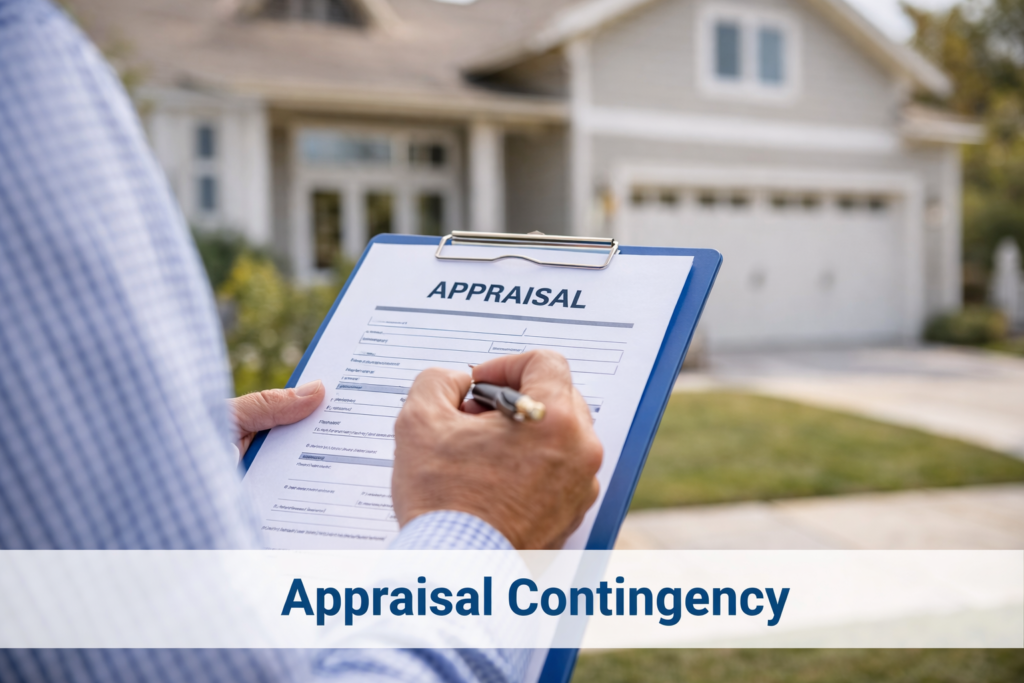
    3. Appraisal Contingency

    Lenders usually require an appraisal to confirm the property’s value.

    If the home appraises for less than the agreed purchase price, the buyer can:

    • Negotiate a lower price
    • Pay the difference out of pocket
    • Cancel the deal

    For instance, if you agree to buy a home for $300,000 but it appraises at $280,000, the lender may only finance based on the lower value.

    4. Home Sale Contingency

    This contingency applies when the buyer needs to sell their current home before buying a new one.

    It’s riskier for sellers because the deal depends on another transaction. If the buyer’s home doesn’t sell, the purchase may not go through.

    5. Title Contingency

    This ensures the property has a clear title—meaning no legal disputes, liens, or ownership issues.

    If problems are found, they must be resolved before closing.

    What Does “Contingent” Mean for Buyers?

    As a buyer, a contingent listing doesn’t always mean you’ve missed your chance.

    In many cases, you can still:

    • Submit a backup offer
    • Monitor the listing in case the deal falls through

    From my experience, deals fall apart more often than people think—sometimes due to financing issues or failed inspections.

    However, you should also be realistic. If the contingencies are minor and likely to be resolved quickly, the chances of the deal collapsing are lower.

    What Does “Contingent” Mean for Sellers?

    For sellers, a contingent offer is both good and slightly uncertain.

    On one hand, you have a committed buyer. On the other, the deal is not guaranteed.

    That’s why some sellers continue to:

    • Accept backup offers
    • Keep the listing active

    For example, if the buyer’s financing is shaky, the seller may want a backup plan ready.

    Contingent vs. Pending: What’s the Difference?

    This is where many people get confused.

    • Contingent: Conditions still need to be met
    • Pending: All contingencies have been satisfied, and the deal is close to final

    A pending home is much closer to being sold, while a contingent home still has hurdles to clear.

    Can You Make an Offer on a Contingent Home?

    Yes, you can.

    In fact, making a backup offer can be a smart move, especially in competitive markets.

    Here’s how it works:

    • Your offer becomes active only if the current deal falls through
    • You don’t compete directly unless the first buyer backs out

    I’ve seen buyers successfully secure homes this way—especially when the first deal collapses due to financing issues.

    Why Do Real Estate Deals Fall Through?

    Even after a home becomes contingent, not every deal makes it to closing.

    Some common reasons include:

    • Loan denial or financing problems
    • Low appraisal value
    • Major issues found during inspection
    • Buyer’s home failing to sell
    • Unexpected personal or financial changes

    According to industry estimates, around 5–10% of real estate contracts fall through, depending on market conditions. That’s why backup offers can be valuable.

    Tips for Buyers Dealing with Contingent Listings

    If you’re house hunting, here are a few practical tips:

    👉 Stay in touch with your real estate agent so you can act quickly if a deal falls through
    👉 Don’t rely only on contingent homes—keep exploring other options
    👉 Consider submitting a strong backup offer to improve your chances
    👉 Understand the type of contingency involved before making a decision

    Tips for Sellers Accepting Contingent Offers

    If you’re selling a home, you can reduce risk by:

    👉 Choosing buyers with strong financial profiles
    👉 Limiting contingency timelines (e.g., shorter inspection periods)
    👉 Continuing to accept backup offers
    👉 Working with experienced agents who can guide negotiations

    Final Thoughts

    So, what does “contingent” mean in real estate?

    It simply means the home is under contract, but the sale depends on certain conditions being met before it becomes final.

    Once you understand this, the term becomes much less confusing. It’s not a dead end—it’s just a step in the process.

    Whether you’re buying or selling, knowing how contingencies work can help you make smarter decisions and avoid surprises along the way.

    If you found this article informative, feel free to check out our other articles as well.

  • How Many Jobs Are Available in Real Estate Investment Trusts? (2026 Guide)

    How Many Jobs Are Available in Real Estate Investment Trusts? (2026 Guide)

    If you’re wondering how many jobs are available in real estate investment trusts (REITs), the short answer is: thousands of direct positions across the U.S., and hundreds of thousands more indirectly connected to REIT-owned properties. Publicly traded REITs alone support well over 200,000 direct jobs, while the broader real estate ecosystem tied to REITs creates many more roles in property management, construction, finance, and operations.

    But the real opportunity goes beyond just the number. REITs offer careers in finance, asset management, property operations, legal compliance, marketing, development, and even technology. In this article, I’ll break down the job landscape, salary expectations, growth outlook, and what it really takes to build a career in this sector.

    With that in mind, let’s take a closer look at how real estate investment trusts operate and what kind of job opportunities this growing sector has to offer.

    What Are Real Estate Investment Trusts (REITs)?

    A Real Estate Investment Trust, commonly called a REIT, is a company that owns, operates, or finances income-producing real estate. These properties can include:

    • Office buildings
    • Apartment communities
    • Shopping centers
    • Hospitals
    • Data centers
    • Warehouses and logistics hubs
    • Hotels

    REITs allow investors to buy shares in real estate portfolios without directly owning property. Many REITs are publicly traded, which means they operate like stocks but are backed by real estate assets.

    In the U.S., there are more than 200 publicly traded REITs, along with private and non-traded REITs. Together, they manage trillions of dollars in real estate assets. With that level of scale, job creation becomes significant.

    How Many Jobs Are Available in REITs?

    When we look at the numbers, publicly traded REITs in the United States directly employ over 200,000 people. These are full-time, salaried roles inside REIT companies themselves.

    But that’s only part of the picture.

    REIT-owned properties support a much larger workforce. When you include property managers, maintenance teams, construction workers, leasing agents, and contracted service providers, the total employment impact reaches into the millions.

    So if your question is, “Are there real career opportunities in REITs?” — the answer is absolutely yes.

    Direct Jobs vs. Indirect Jobs

    Here’s how I like to explain it:

    Direct jobs are roles within the REIT company itself. For example:

    • Financial analysts
    • Asset managers
    • Investor relations specialists
    • Legal and compliance officers
    • Development managers
    • Corporate accountants

    Indirect jobs are roles at properties owned by REITs:

    • Property managers
    • Maintenance technicians
    • Leasing consultants
    • Security staff
    • Construction workers

    Both types offer stable career paths, but corporate REIT roles often come with higher salaries and growth opportunities.

    How REITs Generate Revenue

    Before deciding whether a career in REITs makes sense, I think it helps to understand how these companies actually earn money. Their income model directly influences the types of jobs they create.

    Most Real Estate Investment Trusts make money in three primary ways:

    Rental Income

    The largest source of revenue comes from collecting rent. REITs own properties such as apartment buildings, office towers, shopping centers, hospitals, and warehouses. Tenants sign leases and pay rent monthly or annually.

    For example, a multifamily REIT earns consistent income from apartment residents. An industrial REIT earns rental income from logistics companies leasing warehouse space. The more stable the tenant base, the more predictable the revenue.

    This steady rental income is what supports many operational jobs like property managers, leasing agents, maintenance teams, and asset managers.

    Property Appreciation and Sales

    REITs may also sell properties for a profit. If a building increases in value due to market demand, renovations, or improved occupancy rates, the REIT can sell it at a higher price.

    This activity creates jobs in acquisitions, development, asset management, and investment analysis. Professionals in these roles study market trends, evaluate deals, and decide when it makes financial sense to buy or sell properties.

    Financing and Interest Income

    Some REITs, often called mortgage REITs, focus on financing rather than owning physical properties. Instead of collecting rent, they earn income from interest on real estate loans.

    These REITs borrow money at lower interest rates and lend it at higher rates, generating profit from the difference. This model supports careers in credit analysis, risk management, and structured finance.

    Dividend Distribution Requirement

    One important rule is that REITs must distribute at least 90% of their taxable income to shareholders as dividends. This requirement is what makes them attractive to investors looking for regular income.

    Because so much profit is paid out, REITs rely heavily on strong property performance and smart financial management. That’s why skilled professionals in finance, leasing, operations, and development are essential to their success.

    When I look at it closely, I see that every dollar a REIT earns flows through multiple departments. That flow of revenue is what creates and sustains thousands of jobs across the industry.

    Types of Jobs Available in REITs

    One of the biggest misconceptions I see is that REIT jobs are only for finance professionals. That’s not true. REITs operate like full-scale corporations.

    Here are the main career categories.

    1. Finance and Investment Roles

    This is the core of any REIT.

    Common positions include:

    • Financial Analyst
    • Investment Analyst
    • Portfolio Manager
    • Asset Manager
    • Acquisitions Analyst

    These roles focus on buying properties, analyzing returns, managing risk, and reporting performance to investors.

    If you enjoy working with numbers, modeling deals, and evaluating property performance, this area can be very rewarding.

    2. Property and Asset Management

    This is where operations meet strategy.

    Jobs include:

    • Property Manager
    • Regional Manager
    • Asset Manager
    • Operations Director

    Property managers handle daily building operations. Asset managers focus on improving long-term value and income performance.

    I’ve noticed that many professionals start in property management and later move into asset management.

    3. Development and Construction

    Some REITs actively develop new properties.

    Common roles:

    • Development Manager
    • Construction Project Manager
    • Site Supervisor
    • Development Analyst

    These jobs involve overseeing new builds, renovations, and expansions. If you enjoy seeing physical projects come to life, this side of REITs can be exciting.

    4. Legal and Compliance

    REITs must follow strict regulations to maintain their tax status. That creates demand for:

    • Compliance Officers
    • Real Estate Attorneys
    • Risk Managers
    • Corporate Governance Specialists

    This area is ideal for professionals with legal or regulatory backgrounds.

    5. Sales, Leasing, and Marketing

    Especially in retail, office, and multifamily REITs, leasing teams are essential.

    Roles include:

    • Leasing Consultant
    • Marketing Director
    • Tenant Relations Manager

    These professionals ensure properties stay occupied and generate consistent rental income.

    6. Technology and Data

    Modern REITs rely heavily on data analytics and property technology.

    You’ll find roles such as:

    • Data Analyst
    • IT Manager
    • Systems Administrator
    • PropTech Specialist

    As real estate becomes more tech-driven, these jobs are growing steadily.

    Salary Expectations in REIT Careers

    Salaries vary depending on experience, location, and job type.

    Here’s a general idea in the U.S.:

    • Financial Analyst: $65,000–$95,000 per year
    • Asset Manager: $90,000–$150,000+ per year
    • Property Manager: $55,000–$90,000 per year
    • Development Manager: $100,000+ per year
    • REIT Executive Roles: $200,000+ annually

    Entry-level corporate roles typically start around $60,000–$70,000. With experience, income can grow significantly, especially if bonuses and performance incentives are included.

    In my view, REIT careers offer one of the better pay-to-stability combinations within the real estate industry.

    Education and Skills Required

    Most corporate REIT roles require at least a bachelor’s degree. Common majors include:

    • Finance
    • Real Estate
    • Business Administration
    • Accounting
    • Economics

    For senior investment roles, an MBA or professional certifications like CFA (Chartered Financial Analyst) can be helpful.

    Beyond education, employers look for:

    • Strong analytical skills
    • Financial modeling ability
    • Communication skills
    • Market research knowledge
    • Negotiation skills

    For property-level roles, hands-on experience often matters more than advanced degrees.

    Job Growth Outlook

    The long-term outlook for REIT jobs remains steady.

    Real estate demand continues in sectors like:

    • Industrial warehouses (due to e-commerce growth)
    • Data centers (due to cloud computing)
    • Multifamily housing (due to urban demand)
    • Healthcare facilities (due to aging populations)

    While office properties have faced challenges in recent years, other sectors have expanded. This diversification helps REIT employment remain stable.

    When I look at the industry as a whole, I see it as cyclical but resilient. Real estate will always play a central role in the economy.

    Advantages of Working in REITs

    Here’s what attracts many professionals to this field:

    Stability:

    REITs generate income from long-term leases. That steady revenue often supports stable employment.

    Competitive Pay:

    Many roles offer strong base salaries plus bonuses.

    Public Market Exposure:

    Public REITs operate like Wall Street firms but focus on tangible assets.

    Clear Career Path:

    You can move from analyst to manager to executive over time.

    Diversified Experience:

    You may work with properties across multiple states or even countries.

    Challenges to Consider

    It’s not all smooth sailing.

    The industry is sensitive to:

    • Interest rate changes
    • Economic downturns
    • Property market cycles

    Competition for top corporate roles can also be strong, especially in major cities like New York, Chicago, and Los Angeles.

    However, for professionals who are patient and adaptable, REIT careers can be very rewarding.

    How to Get Started in a REIT Career

    If you’re serious about entering this field, here’s what I recommend:

    Start with internships during college. Many REITs offer summer analyst programs.

    Learn financial modeling. Excel skills are essential for investment roles.

    Network within real estate associations and attend industry events.

    Consider entry-level roles in property management if corporate finance roles feel out of reach at first.

    Build experience and move up strategically.

    Final Thoughts: Is There Opportunity in REITs?

    So, how many jobs are available in real estate investment trusts?

    Directly, over 200,000 roles in publicly traded REITs across the U.S. Indirectly, hundreds of thousands more connected to REIT-owned properties. And when you include private REITs, the opportunity expands even further.

    In my experience researching this field, REITs offer one of the most structured and financially stable career paths within real estate. Whether you’re interested in finance, operations, development, or technology, there’s likely a place for you.

    Frequently Asked Questions (FAQ)

    1. Which REIT roles or sectors usually offer higher income?

    On the career side, investment and executive roles such as acquisitions manager, asset manager, and portfolio manager typically offer the highest salaries, often with performance bonuses.

    On the investment side, sectors like industrial warehouses, data centers, and healthcare properties have shown strong profitability in recent years. However, performance can change with market conditions.

    2. What is the average return investors can expect from REITs?

    Historically, U.S. equity REITs have delivered long-term average annual returns in the range of 8%–12%, including dividends and price growth. Dividend yields commonly fall between 3% and 6%, though this varies by company and market conditions.

    3. Are jobs in REITs stable?

    REIT roles are generally considered stable because companies earn recurring rental income from long-term leases. Still, certain sectors, like office or retail, may be more affected during economic downturns.

    4. Do I need a finance degree to work in a REIT?

    Not always. Corporate investment roles usually require finance or business education, but property management, leasing, operations, and maintenance roles often value hands-on experience more than advanced degrees.

    If you found this article informative, feel free to check out our other articles as well.

  • How to Generate Real Estate Leads from Facebook

    How to Generate Real Estate Leads from Facebook

    Facebook remains one of the most powerful platforms for real estate lead generation — when it’s used strategically. With millions of active users browsing daily, homeowners, renters, and potential buyers are already spending time there. The real opportunity for agents is simple: reach the right local audience, present a clear offer, and follow up quickly.

    Generating real estate leads from Facebook is not about randomly boosting listings. It requires a focused plan that combines targeted ads, valuable content, audience segmentation, and consistent follow-up. When these elements work together, Facebook can become a predictable source of buyer and seller inquiries instead of a guessing game.

    In this guide, I’ll walk you through practical, field-tested strategies that real estate agents use to turn Facebook into a steady lead pipeline — without wasting ad spend or relying on luck.

    Why Facebook Advertising Remains a Lead Engine for Realtors

    Facebook continues to dominate local digital attention. Millions of Americans log in daily, and many of them are homeowners, renters, or future buyers. What makes Facebook powerful for real estate is its targeting capability.

    You can target users by:

    • Zip code or radius
    • Age range
    • Income bracket
    • Interests like “house hunting” or “mortgage loans”
    • Life events such as recently engaged or newly employed

    That level of targeting allows agents to reach people who are more likely to move. Combined with strong creative and follow-up, this becomes a steady source of buyer and seller inquiries.

    Start with a Clear Objective and the Right Audience

    Before spending a single dollar on ads, you need clarity.

    Ask yourself:

    • Are you targeting buyers, sellers, or both?
    • Are you promoting a listing, a home valuation, or a free guide?
    • Are you focusing on a specific neighborhood?

    For example, if you’re targeting sellers, your campaign objective might be generating home valuation requests. Your audience could be homeowners aged 35–65 within a specific zip code.

    The more specific you are, the better your results. Broad campaigns usually produce cheap leads but low conversion rates.

    Make Your Content Work Harder

    Most agents rely only on listing photos. That’s not enough.

    Your Facebook content should build trust and authority before asking for contact information.

    Here’s what works well:

    Short educational videos explaining:

    • “How much equity do homeowners have in 2026?”
    • “What buyers are looking for this year.”

    Local market updates with simple statistics:

    • Median price trends
    • Average days on market
    • Inventory shifts

    Client testimonials with real stories instead of generic praise.

    Video content often gets stronger engagement than static posts. Even a simple 60-second market update filmed on your phone can outperform polished graphics if it feels authentic.

    The goal is to make people see you as the local expert, not just another salesperson.

    Separate Your Audiences for Better Results

    Not all leads are equal. Buyers behave differently than sellers. First-time buyers behave differently than investors.

    Segment your campaigns based on:

    • Buyers vs. sellers
    • Cold audiences vs. warm audiences
    • Website visitors vs. new prospects

    For example:
    Run one campaign offering a “Free First-Time Buyer Checklist.”
    Run another offering a “Free Home Value Report.”

    You can also create retargeting ads for people who watched 50% or more of your videos. These users already know you, so they are more likely to convert.

    By separating audiences, you improve ad performance and reduce wasted budget.

    Expand Your Presence with Pages and Community Groups

    As your brand grows, don’t rely only on your business page.

    Local Facebook groups are powerful for relationship building. Join neighborhood groups and contribute helpful advice. Avoid posting direct sales pitches. Instead, answer questions like:

    • “Is this area good for families?”
    • “What are property taxes like here?”

    When people repeatedly see you offering value, they naturally reach out.

    You can also create your own local real estate group focused on:

    • Market updates
    • Home maintenance tips
    • Community events

    This positions you as a long-term resource, not just an agent chasing listings.

    Use Facebook Marketplace for Extra Visibility

    Facebook Marketplace is often overlooked in real estate marketing. Yet many users actively browse properties there.

    Posting listings on Marketplace can increase exposure at no additional cost. Include:

    • High-quality photos
    • Clear pricing
    • Location details
    • A direct contact option

    Marketplace works especially well for rental properties and entry-level homes. While not every inquiry will be serious, it adds another traffic channel into your funnel.

    Use Facebook Ads for Targeted Lead Generation

    Organic content builds trust, but ads help you scale.

    There are three main Facebook ad strategies that work well for real estate:

    1. Lead Form Ads

    Facebook Lead Ads allow users to submit their name, email, and phone number without leaving the platform. These work well for:

    • Free home valuation offers
    • Buyer guides
    • Market reports

    Keep the form simple. The more fields you add, the fewer submissions you’ll get.

    2. Listing Promotion Ads

    Instead of simply boosting a post, create a proper ad campaign through Facebook Ads Manager. Target people within a specific radius of the property location.

    Use high-quality photos or short video walkthroughs. Include a strong call-to-action like “Schedule a Private Showing.”

    3. Retargeting Ads

    Retarget people who:

    • Visited your website
    • Engaged with your posts
    • Watched your videos

    Retargeting often costs less and converts better because these people already know you.

    Automate and Integrate Your Lead Follow-Up

    Generating leads is only half the process. Converting them is where most agents fall short.

    Facebook Lead Ads allow users to submit their contact information without leaving the app. However, speed matters. Leads go cold quickly.

    Connect your Facebook Lead Ads directly to your CRM so that:

    • Leads are automatically saved
    • Instant email responses are triggered
    • Text message follow-ups are sent
    • Call reminders are created

    A simple automated response might say:
    “Thanks for requesting your home value report. I’ll personally review your property and follow up shortly.”

    Follow up within minutes whenever possible. Studies across sales industries consistently show higher conversion rates when contact happens quickly.

    Set up a structured follow-up plan:
    Day 1: Personal call or text
    Day 2: Email with helpful resource
    Day 4: Market update
    Day 7: Check-in message

    Many deals close months later because the agent stayed consistent.

    Final Thoughts

    Generating real estate leads from Facebook is not about posting random listings or boosting every post. It requires a clear strategy: build trust with organic content, use targeted ads to capture leads, engage in local groups, and follow up consistently.

    If you stay active, respond quickly, and provide real value, Facebook can become one of your most reliable lead sources.

    If you found this article informative, feel free to check out our other articles as well.